Has The Toronto Bubble Finally, Popped?

Has The Toronto Bubble Finally, Popped?

Understanding the Shift Toward Digital-First Agents

Understanding the Shift Toward Digital-First Agents

An Easier Way To Get You Sold Starts Here!

An Easier Way To Get You Sold Starts Here!

What Is A Real Estate Deposit?

What Is A Real Estate Deposit?

Exploring the Dynamics Between City Life & Mental Well-Being

Exploring the Dynamics Between City Life & Mental Well-Being

Interiors Unveiled: Our Guide to the Year’s Top Design Trends

Is The Real Estate Market Really That Bad?

Kick Off Your Home Search With Our Online Intake Form!

2026 Design Trends: What’s In, What’s Out & How Sellers Should Respond

In 2026, design in real estate is no longer about taste. It is about strategy. What once felt safe now feels dated. What once felt neutral now feels sterile.

Toronto buyers have become far more visually literate, emotionally attuned, and skeptical of anything that feels rushed or engineered for resale. They are no longer responding to perfection. They are responding to intention.

The shift we are seeing is not about chasing trends or telling sellers to renovate their homes into something unrecognizable. It is about understanding how buyers are actually responding right now and how small, thoughtful decisions can materially change outcomes.

This is not a design forecast for Europe or New York. It is grounded in Toronto’s architecture, Toronto’s housing stock, and Toronto buyer psychology. And the throughline across every trend is clear. Buyers want homes that feel real, considered, and complete (and we’re here for it, TBH).

Watch the full 2026 Design Trends Video.


Historic Ornament & Maximal Detail

After more than a decade of stripped-back interiors, blank drywall, and builder-grade everything, buyers are gravitating toward homes that feel finished rather than fast.

Historic ornament and maximal detail does not mean ornate or traditional. It means visual punctuation. It means trim, casing, millwork, and architectural framing that signals care. Buyers are tired of walking into homes that feel hollow or flipped to check a box. Thin profiles, uncased windows, and value-engineered finishes now read as short-term thinking rather than smart design.

What resonates in 2026 are spaces with defined edges, visible craftsmanship, and subtle sculptural moments. These details communicate permanence without excess. They tell buyers that the home was maintained, not rushed.

For sellers, this is not about adding ornament. It is about restoring what already exists. Repair chipped trim. Repaint doors and baseboards. Clean up architectural lines. In staging, tailored elements like structured drapery, pleated shades, or classic lamps reinforce a sense of quality. Buyers read this as pride of ownership, not decoration.


Colour Capping & Saturated Colour Play

The era of white walls with a random pop of colour is fading quickly. In 2026, colour is used as an atmosphere rather than an accent.

Buyers are responding to rooms that feel immersive and intentional, even when the colour is subtle. Cool greys, stark white walls, and high-contrast white trim now feel speculative and generic. These palettes no longer signal safety. They signal default.

What feels current is tonal colour carried across walls, trim, and ceilings, or thoughtfully paired with furnishings. Muted saturation creates warmth and confidence without feeling bold. This approach also photographs beautifully, which matters more than ever in a scroll-first market.

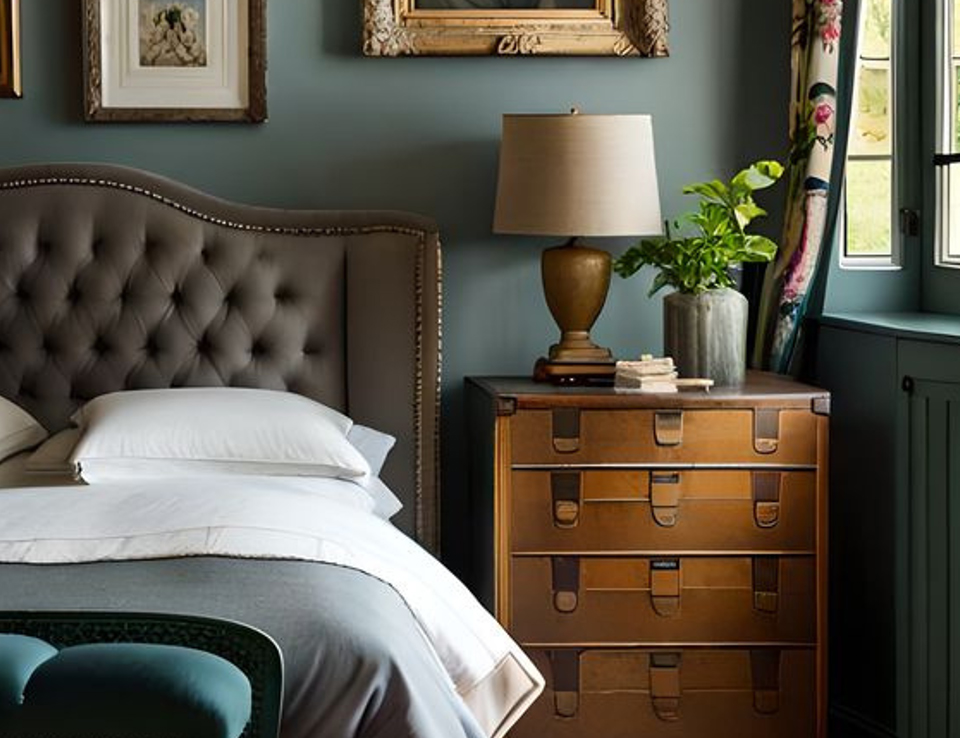
For sellers, restraint is key. Introduce colour in one contained space only. Powder rooms, dens, or secondary bedrooms are ideal. Choose warm, muted tones and keep styling minimal. Buyers respond to confidence, not experimentation, especially when colour feels intentional rather than performative.


Curves & Sculptural Forms

After years of rigid layouts and sharp lines, buyers are drawn to spaces that feel softer and easier to move through.

Boxy furniture, hard angles, and severe silhouettes exaggerate tight layouts and make spaces feel clinical. In contrast, curved forms improve visual flow and create a sense of ease. This does not require dramatic furniture choices or a full redesign.

A rounded coffee table, an arched mirror, or a softly curved accent chair can completely change how a room feels. In condos, hallways, and narrow living rooms, a single curved element can immediately improve perceived space and warmth. In 2026, softness reads as sophistication.


Warm Earthy Palettes

Buyers are craving comfort. And colour plays a major role in delivering it.

Icy whites with blue undertones, cold grey resale palettes, and sterile lighting flatten interiors and drain them of emotion. These choices feel corporate rather than residential. In contrast, warm neutrals inspired by nature create calm, familiarity, and grounding.

Taupe, clay, olive, and sand tones feel livable and human. They soften light and make spaces feel welcoming rather than showroom-ready.

For sellers, warmth does not require repainting the entire home. Wood tones, textiles, layered materials, and art can do much of the work. If painting, choose warm neutrals that complement existing finishes and natural light. Buyers may not be able to articulate the difference, but they feel it immediately.


Texture-First Interiors

In 2026, texture becomes the primary design language. Buyers are responding to how a space feels, not just how it looks.

Flat, glossy finishes and slick surfaces reflect harsh light and amplify emptiness. Rooms that feel echo-heavy or visually flat now read as inexpensive and unfinished. Texture, on the other hand, adds depth, comfort, and quiet luxury.

Natural fibres like linen, wool, and boucle create softness and dimension without commitment. Linen bedding, wool rugs, textured cushions, and layered throws instantly elevate a space and signal care.

For sellers, this is one of the easiest and highest-impact upgrades. Texture communicates quality without renovation and without locking future buyers into bold choices.


Statement Stone & Natural Materials

Uniformity is no longer aspirational. Authenticity is.

Buyers are gravitating toward natural materials that show movement, variation, and imperfection. Generic quartz, neutral stone chosen only to offend no one, and interchangeable surfaces now feel developer-standard.

Veined stone and expensive materials feel intentional and real. They suggest that someone made a choice, not a compromise.

For sellers, replacement is not always necessary. Often, refinement is enough. Deep clean surfaces. Declutter counters. Simplify surrounding finishes. In kitchens, a selective backsplash update can refresh the entire space without the cost of a full renovation. Restraint consistently outperforms excess.


Layered Lighting & Sculptural Fixtures

Lighting has become one of the most powerful tools in real estate presentation.

Single overhead light sconces, dated flush mounts, and cool bulbs flatten interiors and strip away atmosphere. Buyers are deeply influenced by how a home feels in photos and in person, and lighting shapes both.

Layered lighting creates mood, warmth, and dimension. Sculptural or vintage-leaning fixtures add character and elevate perceived value instantly.

For sellers, replacing one or two fixtures in high-impact rooms can dramatically change how a home photographs and feels. Add table and floor lamps. Switch all bulbs to warm tones. Pay attention to hanging height. Lighting is one of the highest return changes a seller can make.


Tablescapes & Heirloom Details

Buyers no longer want homes that feel staged in bulk. They want spaces that feel lived-in, collected, and cared for.

Empty surfaces, generic decor, and over-styled interiors feel impersonal. Thoughtful objects, ceramics, books, and pieces with weight suggest longevity and pride of ownership.

For sellers, the goal is not more styling. It is better styling. Fewer surfaces, done well. A simple dining tablescape or an edited console can communicate permanence without clutter. Buyers connect emotionally to homes that feel like they belong to someone, not to a warehouse.


Layered Exterior Materials & Curb Personality

First impressions matter more than ever. Flat facades, single-material exteriors, and tired landscaping fail to stand out in a crowded market. Buyers form opinions before they reach the front door, often before they book a showing at all.

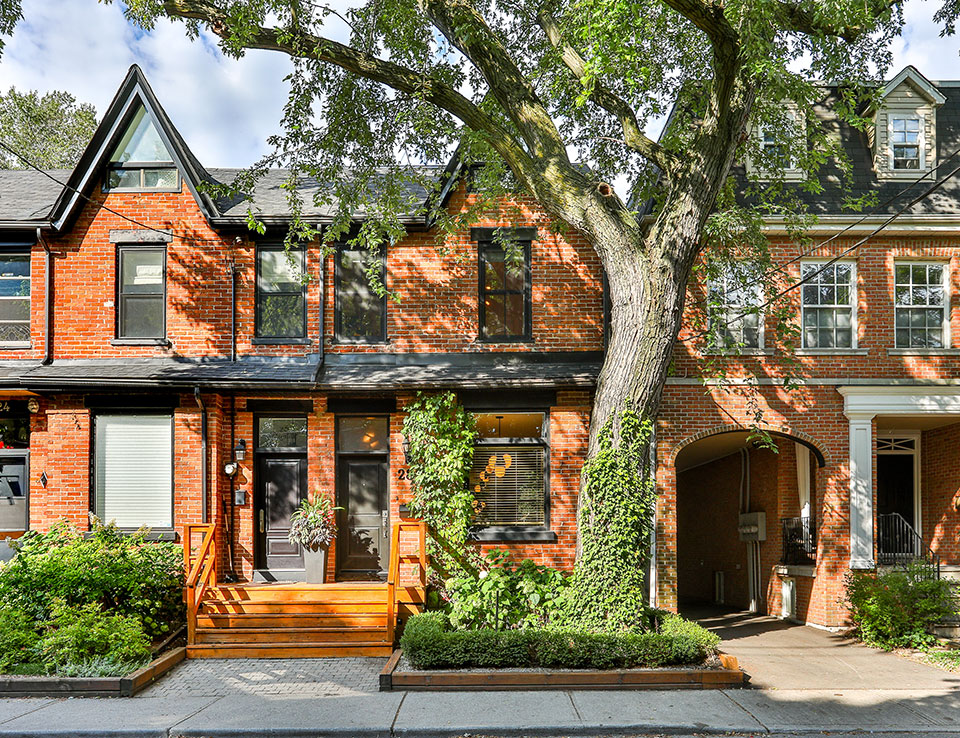
What resonates in 2026 are exteriors with contrast, texture, and a defined entry moment. This does not require construction. A painted front door, updated hardware, new sconces, refreshed landscaping, and clear entry definition can dramatically improve curb presence.

These changes are cosmetic but powerful. They shape buyer perception instantly.


Elevated Tile with Restraint in Kitchens & Bathrooms

Tile is no longer background filler. In 2026, it signals quality through scale, texture, and restraint.

Small-format subway tile, contrast grout, busy patterns, micro mosaics, and glossy finishes now feel dated and visually noisy. Larger tile formats, fewer grout lines, soft texture, and matte or satin finishes photograph cleanly and feel timeless.

For most sellers, renovation is unnecessary. Clean existing tile thoroughly. Simplify surrounding styling. If replacing selectively, focus on backsplashes or shower walls only. Calm, restrained tile consistently outperforms statement tile in buyer response.


Bonus Trend: Strategic Virtual Staging & Hybrid Presentation

While buyers crave authenticity, cost sensitivity is real.

As properties take longer to sell, full physical staging is not always practical. Thoughtfully executed virtual staging can help buyers visualize potential without misleading them, particularly in vacant homes, condos, or awkward layouts.

The key is restraint and transparency. Editorial-style virtual staging paired with light physical styling and clear disclosure expands buyer imagination without inflating expectations.


Final Thoughts: Design as Strategy, Not Decoration

The most important shift heading into 2026 is not aesthetic. It is psychological.

Buyers are no longer scanning listings for perfection. They are scanning for signals. Signals of care.

Signals of intention. Signals that a home has been thoughtfully maintained rather than quickly assembled for resale.

In a market where listings no longer sell in a weekend and choice is abundant, design has become a form of communication. Every decision, from lighting temperature to trim detail to material selection, tells a story about how the home was lived in and how it might feel to live there next.

The sellers who will perform best in 2026 are not those who chase trends or over-renovate. They are the ones who understand restraint. Who invest where buyers feel value rather than where sellers assume value lives. Who prioritize atmosphere over novelty and coherence over excess.

This is now about turning your home into a showroom or a magazine spread. It is about making your home emotionally legible. Buyers need to understand it quickly, feel comfortable within it, and image themselves living there without friction.

When design is approached strategically, even small changes carry weight. Warm lighting can soften an entire floor plan. Thoughtful texture can elevate a room without a single renovation. A well-defined entry or a curated moment can distinguish your home from dozens of similar listings.

In 2026, standing out does not require doing more. It requires doing less, better.

If you are planning to sell in the year ahead, the conversation should not start with what to renovate. It should start with what to refine, what to restore, and what to clarify. That is where design stops being decoration and starts becoming a competitive advantage.

When you are ready, we are happy to help you think through that strategy.

Plan with our FM Seller Intake

Read our Blog Posts

Discover our Q&As

Contact us (We’re Nice).


Fox Marin has earned its reputation as Toronto’s premier downtown luxury real estate team, backed by over *$580 million in sales, more than 1,000 successful transactions, and over 450 glowing 5-star Google Reviews. Discover the advantage of working with a proven team with a track record for winning results.
(*Source: Jan. 1, 2018 – Sept 1, 2025, RE Stats Inc. & Exclusive)

Kori Marin is a Toronto Broker & Managing Partner at Fox Marin Associates. For high-energy real estate aficionado Kori Marin, a well-lived life is achieved by maintaining an “all-in” attitude that realizes every last ounce of one’s full potential. This mindset has driven successful results in every aspect of her life – from her corporate sales and account management experience to her international travels to her years of fitness training and leadership – and is the hallmark of the exceptional work that she does on behalf of her clients in the residential real estate sector in downtown Toronto.