
Has The Toronto Bubble Finally, Popped?

Has The Toronto Bubble Finally, Popped?

Understanding the Shift Toward Digital-First Agents

Understanding the Shift Toward Digital-First Agents

An Easier Way To Get You Sold Starts Here!
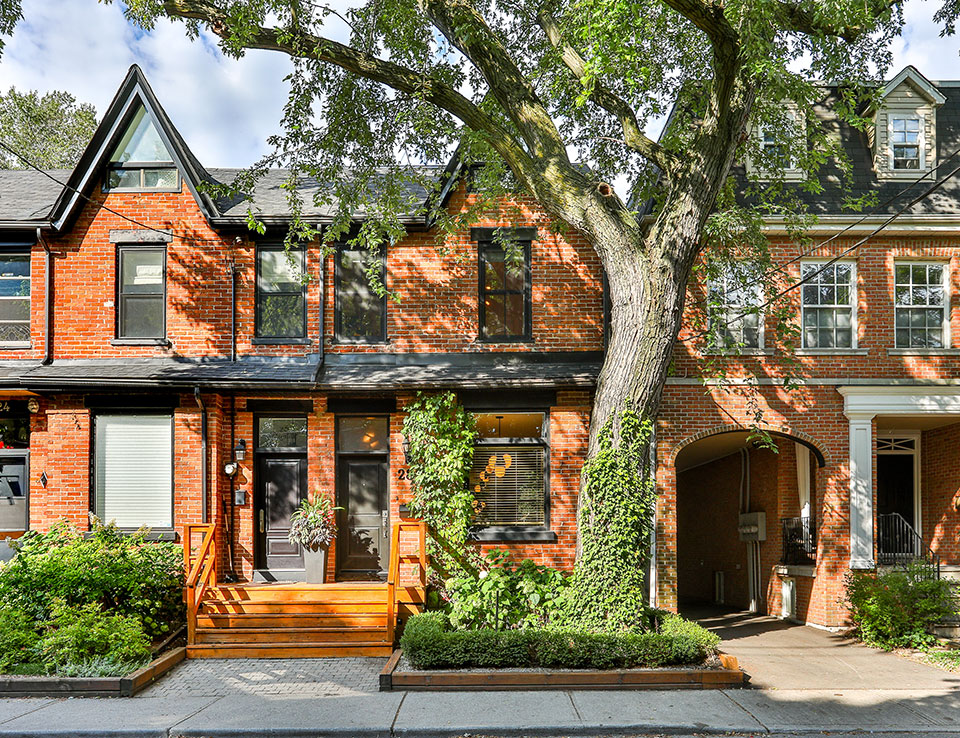
An Easier Way To Get You Sold Starts Here!

What Is A Real Estate Deposit?

What Is A Real Estate Deposit?

Exploring the Dynamics Between City Life & Mental Well-Being

Exploring the Dynamics Between City Life & Mental Well-Being


Interiors Unveiled: Our Guide to the Year’s Top Design Trends

Is The Real Estate Market Really That Bad?

Kick Off Your Home Search With Our Online Intake Form!

Are There Ontario Rent Control Regulations I Should Know About?

Yes. Ontario sets annual rent increase guidelines to limit hikes, though units first occupied after November 15, 2018, are exempt from rent control.

How Rent Control Works

  • Annual guideline: The provincial government sets a maximum rent increase each year
  • Applies broadly: Most existing rental units fall under these guidelines.
  • Above-guideline increases: Landlords must apply to the Landlord and Tenant Board (LTB) for approval if they wish to raise the rent above the guideline, for example, due to significant capital expenses or increased operating costs.

Exemptions

  • Newer buildings: Units first occupied for residential purposes after November 15, 2018, are exempt from rent control.
  • Why: This exemption encourages new rental development by giving landlords flexibility in setting rents.

Tenant Rights

  • Notice: Landlords must give at least 90 days’ written notice before any rent increase.
  • Disputes: If an increase exceeds the guideline without approval, you can file a complaint with the LTB.
  • Stay informed: Check the Government of Ontario’s published rent increase guideline each year.

The Fox Marin Team helps tenants and landlord clients understand Ontario’s rent control rules so increases are handled legally, fairly, and with clarity.


Did you find this useful?