

Has The Toronto Bubble Finally, Popped?
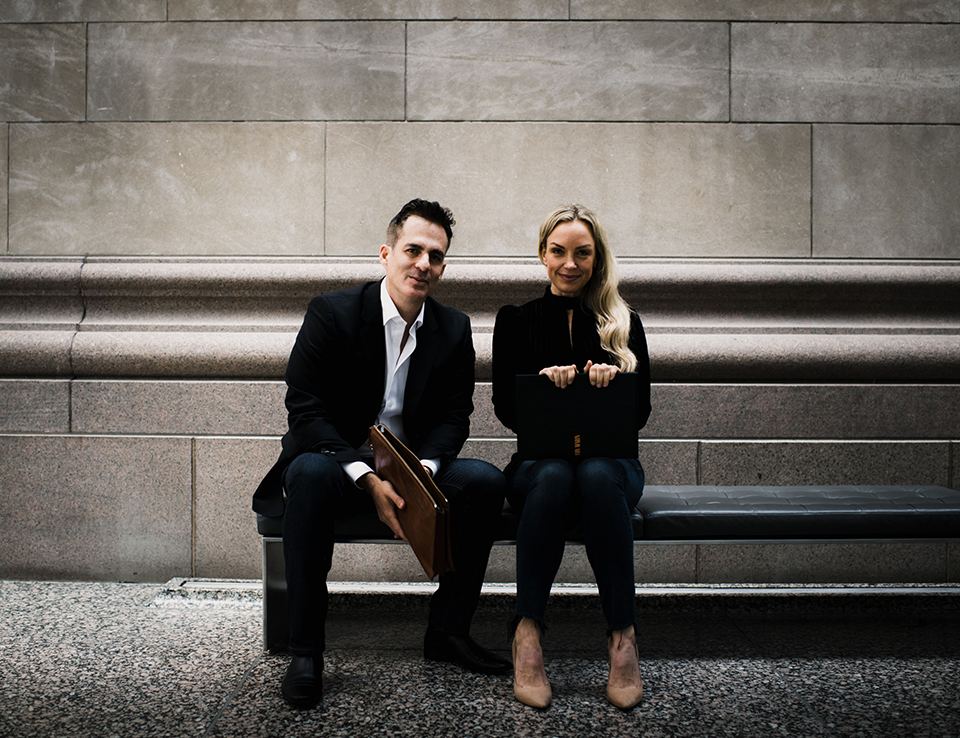
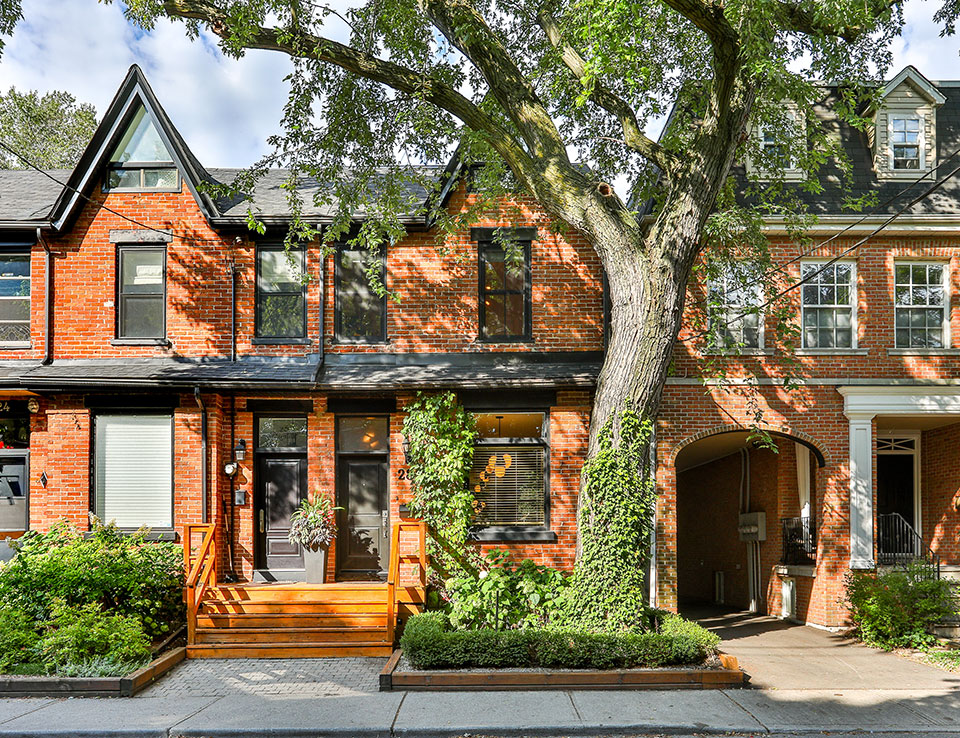





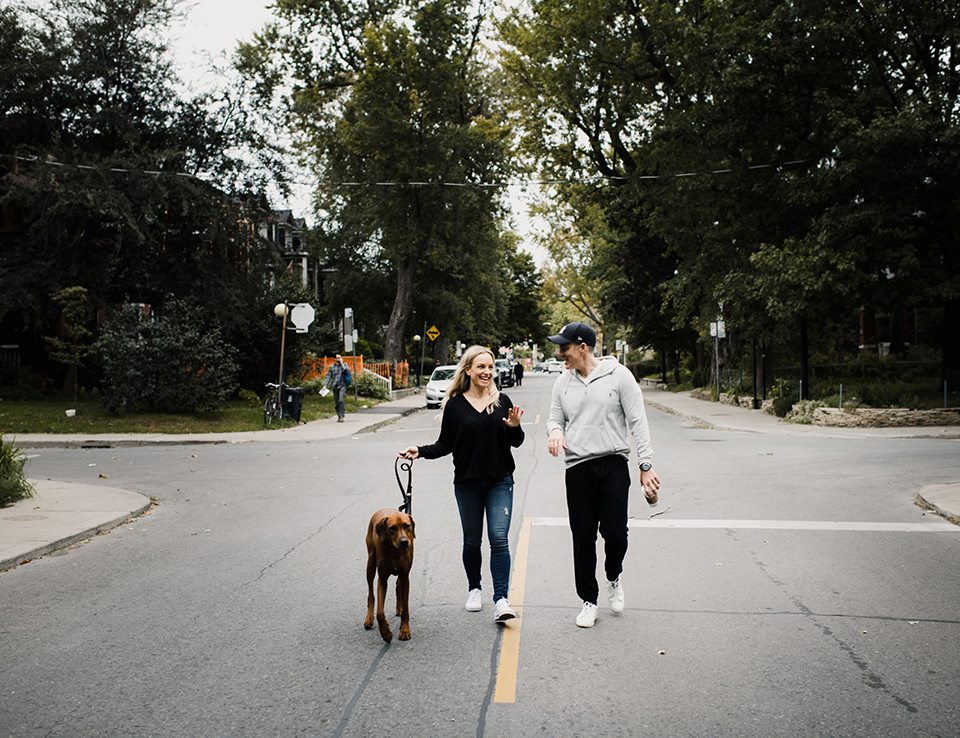

Fox Marin Toronto Relocation
Academy

THE TORONTO REAL ESTATE
Fox Marin Toronto Relocation Academy
Relocating to Toronto? Start Here.
Moving to a new city is exciting.
It is also one of the most significant decisions a person or family can make.
Whether relocating from another province, another country, or another part of the Greater Toronto Area, Toronto delivers a unique mix of opportunities, challenges, and choices. Questions like where to live, rent or buy, budgeting, which neighbourhoods fit a lifestyle, and what to expect from the housing market deserve close consideration.
That is why Fox Marin created Toronto Relocation Academy.
Over the years, the team has helped professionals, executives, entrepreneurs, families, downsizers, and recent arrivals navigate moving to Toronto. One clear observation is that most people spend a lot of time researching homes but much less time understanding how Toronto works.
The purpose of this academy is to change that.
Rather than focusing on listings, this series focuses on education.
Rather than promoting specific properties, it provides the context, perspective, and local insight to make informed decisions about one of North America’s most dynamic cities.
For people looking for personal guidance, additional information is available on the Fox Marin Relocation Services page.

Making Sense of
Toronto Real Estate
After helping hundreds of buyers, renters, and families relocate to Toronto, our team kept noticing something. The same questions came up again and again. Which neighbourhood is right for us? Should we rent or buy? How much should we budget? And the big one: what don’t we know that we don’t know? Our goal has always been simple. We want to give you honest, practical advice that helps you actually understand this city before you make one of the biggest decisions of your life.
People love to talk about Toronto as if it’s a single market, but that’s not how it works. In reality, the city behaves more like a collection of interconnected communities, each one with its own personality, housing stock, pace of life, and lifestyle perks. Living in Yorkville feels nothing like living in Leslieville. High Park is a different world from King West. A family chasing schools and green space might fall for Riverdale or Davisville Village, while a young professional working in the Financial District might prioritize St. Lawrence Market, Corktown, or the downtown core. And here’s one of the first lessons our relocators learn: choosing the right neighbourhood often matters just as much as choosing the right home.
The Biggest Mistake Relocators Make
The most common mistake we see when people relocate to Toronto is jumping straight to the properties before getting clear on their priorities. Real estate websites make it easy to compare square footage, finishes, and pricing, but they can’t tell you whether you’ll actually enjoy living in that neighbourhood every single day.
That’s why we encourage our clients to start somewhere else entirely: lifestyle. How often will you be commuting? Do you value walkability? How important are schools? Do you want restaurants, fitness studios, parks, and cultural amenities at your doorstep? Would you be happier in a condo, a townhome, or a detached house?
These are the questions that tend to shape your long-term happiness far more than the property itself ever will.
WHO IS MOVING TO TORONTO?
Toronto attracts people from every stage of life.
Professionals relocating for career opportunities, regularly prioritize proximity to employment centres, transit access, and walkability.
Neighbourhoods like King West, Yorkville, Liberty Village, and St. Lawrence Market are common starting points.
Families tend to focus on schools, parks, community amenities, and long-term quality of life. Areas such as Davisville Village, High Park, Riverdale, Leslieville, Leaside, and Roncesvalles frequently appear on their shortlist.
International relocators face additional considerations, including financing, tax implications, rental applications, and navigating an unfamiliar market. Education becomes especially valuable during these periods.
Downsizers and empty nesters often seek walkable neighbourhoods that deliver convenience, culture, access to medical care, and lower-maintenance living. Yorkville, Summerhill, Forest Hill, and Midtown Toronto are frequently considered.
The common denominator is that successful relocations are driven by lifestyle alignment rather than property selection alone.
WHAT SURPRISES MOST PEOPLE ABOUT MOVING TO TORONTO?
One of the biggest surprises is commute time.
Toronto may seem compact on a map, but commuting patterns greatly influence daily quality of life.
Another surprise is how neighbourhood-driven the city really is.
Many newcomers start their search assuming they want to live downtown. They quickly discover downtown is not one place. King West offers a different lifestyle from Yorkville. Yorkville feels different from the Distillery District. The Distillery District feels different from St. Lawrence Market.
People are also often surprised by how important walkability becomes after they move.
Being able to get coffee, meet friends for dinner, walk to a park, or run errands without a car can greatly improve satisfaction.
Finally, many are surprised by how nuanced Toronto’s real estate market is.
There is no single Toronto market.
Dozens of micro-markets operate simultaneously, each affected by different supply, demand, pricing, and buyer behaviour dynamics.
TORONTO NEIGHBOURHOODS THROUGH A LIFESTYLE LENS
People frequently ask:
“What is the best neighbourhood in Toronto?”
The answer is always the same.
It depends.
For luxury buyers, Yorkville, Rosedale, Forest Hill, and Summerhill remain some of the city’s most prestigious addresses.
For young professionals, King West, Queen West, Trinity Bellwoods, Liberty Village, and St. Lawrence Market offer a variety of convenience, energy, and city living.
For families, Davisville Village, Riverdale, Leslieville, High Park, Leaside, and Roncesvalles continue to attract buyers seeking schools, parks, and strong community connections.
For those seeking a balance between metropolitan convenience and neighbourhood character, areas such as Corktown, Little Italy, The Junction, and the Distillery District offer compelling aleternatives.
The best neighbourhood is rarely the most expensive or the most popular.
It is the one that corresponds to how someone wants to live.
“The most successful relocations happen when people fall in love with a neighbourhood first and a property second.” — Ralph Fox
Explore the Fox Marin
Toronto Relocation Academy Video Hub
The best way to fully understand this process is to see how it works in practice.
Below, you will find a series of short, focused video modules that walk through each stage of the relocation journey in Toronto. Each module is designed to give you practical insight, a clear strategy, and the confidence to move forward with the right approach.

Module One
Moving to Toronto
Module Two
Toronto Neighbourhood Breakdown
Module Three
Choosing the Right Neighbourhood When Relocating
Module Four
Cost of Living in Toronto
Module Five
Toronto Taxes, Rules & Regulations
Module Six
Step-By-Step: Renting in Toronto
Module Seven
Renting vs Buying When Relocating
Module Eight
Why Toronto is Different
Module Nine
Schools, Safety, and Lifestyle Considerations
Module Ten
Buying a Home in Toronto
Take The First Step:
Planning A Move To Toronto?
Relocating to Toronto can feel overwhelming.
It does not have to be.
Whether someone is moving across the province, across the country, or across the world, the Fox Marin team helps clients navigate every stage of the process with clarity, confidence, and local expertise.
From neighbourhood selection and lifestyle planning to rentals, purchases, financing introductions, and market education, the goal is simple: help people make informed choices and feel at home in Toronto more quickly.
Check out our Fox Marin Relocation Services page for more information.
If you would like to speak with one of our advisors, feel free to reach out. Contact Us (We’re Nice).
“Big moves come with big emotions. The right plan turns overwhelm into excitement & uncertainty into a clear path forward.”
— Fox Marin
“Big moves come with big emotions. The right plan turns overwhelm into excitement & uncertainty into a clear path forward.”
— Fox Marin
Frequently Asked Questions
About Moving To Toronto
IS TORONTO A GOOD PLACE TO LIVE?
Is Toronto a Good Place to Live?
Yes. Toronto is consistently ranked among the most livable cities in the world, and among the top cities in Canada to live and work. That reputation comes from a few key strengths working together.
The city’s economy is diversified across finance, technology, life sciences, and the arts, giving residents more career flexibility than they’d find in smaller Canadian markets. Education is a major draw as well. Toronto is home to several major universities, including the University of Toronto, and the city has one of the most educated populations of any major city in the world. That academic strength feeds a steady pipeline of talent into the local job market, which helps explain why so many newcomers choose to settle here long term.
Toronto’s identity as a global, multicultural city is another reason people put down roots. More than half of residents were born outside Canada, making it one of the most diverse cities in the world. You can find world-class food, festivals, and community life from nearly every corner of the globe, often within a single subway ride. The waterfront has also seen real investment in recent years, with new parkland and green space expanding along Lake Ontario, adding to the city’s reputation for accessible outdoor space within a dense urban core.
None of this means Toronto is without trade-offs. Housing costs and day-to-day expenses run higher than in most other Canadian cities, and that’s the honest starting point for anyone weighing the move. But for most people who relocate here, the combination of career opportunity, education, safety, healthcare, and cultural depth is what makes the higher cost of living feel worth it. That’s exactly why Toronto keeps showing up near the top of these rankings year after year.
SHOULD I RENT OR BUY WHEN MOVING TO TORONTO?
Should I Rent or Buy When Moving to Toronto?
The answer depends on your timeline, finances, and familiarity with the city. Renting first can give flexibility and let you explore neighbourhoods before making a long-term commitment. Buying may make sense if you have a clear understanding of where you want to live and plan to remain in Toronto for several years. There is no one-size-fits-all answer, which is why many relocators benefit from speaking with an experienced advisor before making a decision.
HOW MUCH MONEY DO I NEED TO LIVE COMFORTABLY IN TORONTO?
How Much Money Do I Need to Live Comfortably in Toronto?
The answer varies based on lifestyle, household size, and housing choices. Housing is typically the largest expense, but transportation, childcare, dining, fitness memberships, insurance, and entertainment also add considerably to monthly costs. A practical budget should account for all aspects of day-to-day living, rather than focusing solely on rent or mortgage payments.
WHAT ARE THE BEST NEIGHBOURHOODS IN TORONTO FOR FAMILIES?
What Are the Best Neighbourhoods in Toronto for Families?
Popular family-friendly neighbourhoods include Davisville Village, Riverdale, Leslieville, High Park, Roncesvalles, Leaside, Lawrence Park, and portions of Midtown Toronto. These communities are often sought after for their schools, parks, community amenities, walkability, and strong neighbourhood character. The best fit ultimately depends on a family’s lifestyl, budget, and priorities.
WHAT ARE THE BEST NEIGHBOURHOODS IN TORONTO FOR YOUNG PROFESSIONALS?
What Are the Best Neighbourhoods in Toronto for Young Professionals?
Many young professionals gravitate toward neighbourhoods such as King West, Queen West, Liberty Village, Corktown, St. Lawrence Market, Trinity Bellwoods, and Yorkville. These areas offer a combination of walkability, restaurants, nightlife, transit access, and closeness to major employment centres.
IS TORONTO MORE EXPENSIVE THAN VANCOUVER?
Is Toronto More Expensive Than Vancouver?
Both Toronto and Vancouver rank among Canada’s most expensive housing markets. Housing prices, rents, and everyday living costs vary by neighbourhood and property type, making direct comparisons difficult. While Vancouver often commands higher detached home prices, Toronto generally gives a wider range of housing options and neighbourhood choices.
DO I NEED A CAR IN TORONTO?
Do I Need a Car in Toronto?
Not necessarily. Many residents living in central Toronto rely primarily on walking, cycling, public transit, and rideshare services. However, transportation needs vary depending on neighbourhood, commute requirements, family responsibilities, and personal lifestyle choices. Some areas are significantly more transit-friendly than others.
WHAT TAXES SHOULD I KNOW ABOUT BEFORE BUYING PROPERTY IN TORONTO?
What Taxes Should I Know About Before Buying Property in Toronto?
Toronto buyers should understand the Ontario Land Transfer Tax, the Toronto Municipal Land Transfer Tax, annual property taxes, and the potential capital gains implications, depending on their circumstances. These costs can be high and should be factored into a home purchase budget from the outset.
CAN AMERICANS BUY PROPERTY IN TORONTO?
Can Americans Buy Property in Toronto?
Currently, most Americans and other non-Canadians cannot purchase residential property in Toronto due to Canada’s federal foreign buyer ban, which has been extended through January 1, 2027. There are several exceptions for certain temporary residents, work permit holders, permanent residents, and other qualifying individuals. Because these rules can be nuanced and eligibility requirements vary, relocators should be obtain legal and tax advice before making any plans to purchase property in Canada.
IS TORONTO'S RENTAL MARKET COMPETITIVE?
Is Toronto’s Rental Market Competitive?
Toronto’s rental market can be highly competitive, particularly for well-priced properties in desirable neighbourhoods. Strong documentation, financial preparation, and a well-organized application can greatly improve a renter’s chances of obtaining the right property.
WHAT IS THE TORONTO LAND TRANSFER TAX?
What is the Toronto Land Transfer Tax?
In addition to Ontario’s provincial Land Transfer Tax, buyers purchasing property within the City of Toronto are generally required to pay a second municipal Land Transfer Tax. This is one of the most commonly overlooked costs among newcomers and should be incorporated into any purchase budget.
HOW LONG DOES IT TAKE TO BUY A HOME IN TORONTO?
How Long Does It Takes to Buy a Home in Toronto?
The timeline differs considerably. Some buyers identify the right property within a few weeks, while others spend several months exploring neighbourhoods and learning the market. The process frequently depends on budget, market conditions, financing readiness, and a buyer’s familiarity with the city.
IS TORONTO SAFE?
Is Toronto Safe?
Toronto is widely considered one of the safest major cities in North America. Like any large urban centre, safety can vary from neighbourhood to neighbourhood, which is why comprehending local communities is an important part of the relocation process.
ARE TORONTO SCHOOLS GOOD?
Are Toronto Schools Good?
Toronto offers a wide variety of educational options, including public, Catholic, private, French-language, and speciality schools. School quality, programming, and catchment areas may differ greatly, making research an important part of the neighbourhood selection process for families.
WHAT IS THE BEST TIME OF THE YEAR TO MOVE TO TORONTO?
What Is the Best Time of Year to move to Toronto?
There is no universally perfect time to relocate. Spring and fall are traditionally the busiest periods for both buyers and renters, offering the greatest selection of available properties. Winter can sometimes provide additional negotiating opportunities, while summer is frequently preferred by families looking to move between school years.
BONUS FAQ: HOW LONG SHOULD I RENT BEFORE BUYING?
Bonus FAQ: How Long Should I Rent Before Buying?
There is no set rule. Some relocators benefit from renting for six to twelve months while learning the city and exploring different neighbourhoods. Others arrive with a clear understanding of where they want to live and choose to purchase immediately. The right timeline depends on personal goals, finances, and confidence in the neighbourhood selection process.
Is Toronto a Good Place to Live?
Yes. Toronto is consistently ranked among the most livable cities in the world, and among the top cities in Canada to live and work. That reputation comes from a few key strengths working together.
The city’s economy is diversified across finance, technology, life sciences, and the arts, giving residents more career flexibility than they’d find in smaller Canadian markets. Education is a major draw as well. Toronto is home to several major universities, including the University of Toronto, and the city has one of the most educated populations of any major city in the world. That academic strength feeds a steady pipeline of talent into the local job market, which helps explain why so many newcomers choose to settle here long term.
Toronto’s identity as a global, multicultural city is another reason people put down roots. More than half of residents were born outside Canada, making it one of the most diverse cities in the world. You can find world-class food, festivals, and community life from nearly every corner of the globe, often within a single subway ride. The waterfront has also seen real investment in recent years, with new parkland and green space expanding along Lake Ontario, adding to the city’s reputation for accessible outdoor space within a dense urban core.
None of this means Toronto is without trade-offs. Housing costs and day-to-day expenses run higher than in most other Canadian cities, and that’s the honest starting point for anyone weighing the move. But for most people who relocate here, the combination of career opportunity, education, safety, healthcare, and cultural depth is what makes the higher cost of living feel worth it. That’s exactly why Toronto keeps showing up near the top of these rankings year after year.
Should I Rent or Buy When Moving to Toronto?
The answer depends on your timeline, finances, and familiarity with the city. Renting first can give flexibility and let you explore neighbourhoods before making a long-term commitment. Buying may make sense if you have a clear understanding of where you want to live and plan to remain in Toronto for several years. There is no one-size-fits-all answer, which is why many relocators benefit from speaking with an experienced advisor before making a decision.
How Much Money Do I Need to Live Comfortably in Toronto?
The answer varies based on lifestyle, household size, and housing choices. Housing is typically the largest expense, but transportation, childcare, dining, fitness memberships, insurance, and entertainment also add considerably to monthly costs. A practical budget should account for all aspects of day-to-day living, rather than focusing solely on rent or mortgage payments.
What Are the Best Neighbourhoods in Toronto for Families?
Popular family-friendly neighbourhoods include Davisville Village, Riverdale, Leslieville, High Park, Roncesvalles, Leaside, Lawrence Park, and portions of Midtown Toronto. These communities are often sought after for their schools, parks, community amenities, walkability, and strong neighbourhood character. The best fit ultimately depends on a family’s lifestyl, budget, and priorities.
What Are the Best Neighbourhoods in Toronto for Young Professionals?
Many young professionals gravitate toward neighbourhoods such as King West, Queen West, Liberty Village, Corktown, St. Lawrence Market, Trinity Bellwoods, and Yorkville. These areas offer a combination of walkability, restaurants, nightlife, transit access, and closeness to major employment centres.
Is Toronto More Expensive Than Vancouver?
Both Toronto and Vancouver rank among Canada’s most expensive housing markets. Housing prices, rents, and everyday living costs vary by neighbourhood and property type, making direct comparisons difficult. While Vancouver often commands higher detached home prices, Toronto generally gives a wider range of housing options and neighbourhood choices.
Do I Need a Car in Toronto?
Not necessarily. Many residents living in central Toronto rely primarily on walking, cycling, public transit, and rideshare services. However, transportation needs vary depending on neighbourhood, commute requirements, family responsibilities, and personal lifestyle choices. Some areas are significantly more transit-friendly than others.
What Taxes Should I Know About Before Buying Property in Toronto?
Toronto buyers should understand the Ontario Land Transfer Tax, the Toronto Municipal Land Transfer Tax, annual property taxes, and the potential capital gains implications, depending on their circumstances. These costs can be high and should be factored into a home purchase budget from the outset.
Can Americans Buy Property in Toronto?
Currently, most Americans and other non-Canadians cannot purchase residential property in Toronto due to Canada’s federal foreign buyer ban, which has been extended through January 1, 2027. There are several exceptions for certain temporary residents, work permit holders, permanent residents, and other qualifying individuals. Because these rules can be nuanced and eligibility requirements vary, relocators should be obtain legal and tax advice before making any plans to purchase property in Canada.
Is Toronto’s Rental Market Competitive?
Toronto’s rental market can be highly competitive, particularly for well-priced properties in desirable neighbourhoods. Strong documentation, financial preparation, and a well-organized application can greatly improve a renter’s chances of obtaining the right property.
What is the Toronto Land Transfer Tax?
In addition to Ontario’s provincial Land Transfer Tax, buyers purchasing property within the City of Toronto are generally required to pay a second municipal Land Transfer Tax. This is one of the most commonly overlooked costs among newcomers and should be incorporated into any purchase budget.
How Long Does It Takes to Buy a Home in Toronto?
The timeline differs considerably. Some buyers identify the right property within a few weeks, while others spend several months exploring neighbourhoods and learning the market. The process frequently depends on budget, market conditions, financing readiness, and a buyer’s familiarity with the city.
Is Toronto Safe?
Toronto is widely considered one of the safest major cities in North America. Like any large urban centre, safety can vary from neighbourhood to neighbourhood, which is why comprehending local communities is an important part of the relocation process.
Are Toronto Schools Good?
Toronto offers a wide variety of educational options, including public, Catholic, private, French-language, and speciality schools. School quality, programming, and catchment areas may differ greatly, making research an important part of the neighbourhood selection process for families.
What Is the Best Time of Year to move to Toronto?
There is no universally perfect time to relocate. Spring and fall are traditionally the busiest periods for both buyers and renters, offering the greatest selection of available properties. Winter can sometimes provide additional negotiating opportunities, while summer is frequently preferred by families looking to move between school years.
Bonus FAQ: How Long Should I Rent Before Buying?
There is no set rule. Some relocators benefit from renting for six to twelve months while learning the city and exploring different neighbourhoods. Others arrive with a clear understanding of where they want to live and choose to purchase immediately. The right timeline depends on personal goals, finances, and confidence in the neighbourhood selection process.
Frequently Asked Questions
About Toronto Neighbourhoods
WHAT ARE THE BEST TORONTO NEIGHBOURHOODS FOR FAMILIES?
What Are the Best Toronto Neighbourhoods for Families
There is no single “best” neighbourhood for every family because priorities differ greatly. Some families prioritize top-ranked schools, while others focus on parks, walkability, community amenities, transit access, or housing type.
That said, neighbourhoods such as Davisville Village, Riverdale, Leslieville, High Park, Roncesvalles, Leaside, Lawrence Park, and portions of Midtown Toronto consistently attract families relocating to the city.
These communities are often valued for their strong sense of neighbourhood identity, access to schools, family-friendly amenities, parks, recreation facilities, and community programming.
The right choice finally depends on budget, lifestyle, commute requirements, and long-term goals.
WHAT ARE THE BEST TORONTO NEIGHBOURHOODS FOR YOUNG PROFESSIONALS?
What Are the Best Toronto Neighbourhoods for Young Professionals?
Young professionals regularly prioritize walkability, transit access, restaurants, nightlife, fitness facilities, and closeness to major employment centres.
Popular neighbourhoods include King West, Queen West, Trinity Bellwoods, Liberty Village, St. Lawrence Market, Corktown, Yorkville, and the Entertainment District.
Each offer a slightly different experience.
King West is known for its vibrant social scene and downtown proximity.
St. Lawrence Market combines historic appeal with walkability and convenience.
Yorkville offers luxury living with upscale shopping and dining.
Trinity Bellwoods appeals to those pursuing an equilibrium between urban energy and neighbourhood character.
The best neighbourhood depends on how someone wants to spend their time outside of work.
WHAT ARE THE BEST TORONTO NEIGHBOURHOODS FOR LUXURY BUYERS?
What Are the Best Toronto Neighbourhoods for Luxury Buyers?
Toronto’s luxury market spans several distinct neighbourhoods, each attracting different buyer profiles.
Yorkville remains one of the city’s most prestigious addresses, offering luxury condominiums, high-end rental, fine dining, and exceptional walkability.
Rosedale is known for its historic homes, mature tree canopy, and proximity to downtown while maintaining a more residential feel.
Forest Hill continues to attract buyers seeking large homes, prestigious schools, and established neighbourhood character.
Summerhill offers a variety of high-end living, walkability, boutique shopping, and excellent transit access.
For many luxury buyers, the decision boils down to lifestyle s much as real estate.
WHAT ARE THE MOST WALKABLE NEIGHBOURHOODS IN TORONTO?
What Are the Most Walkable Neighbourhoods in Toronto?
Toronto offers several highly walkable communities where residents can run many daily errands without a vehicle.
Neighbourhoods frequently recognized for walkability include Yorkville, King West, Queen West, St. Lawrence Market, Trinity Bellwoods, The Annex, Corktown, Leslieville, and portions of Midtown Toronto.
These areas typically offer a mix of grocery stores, restaurants, cafes, fitness studios, parks, public transit, and everyday services within walking distance.
Many relocators are surprised by how much walkability impacts their quality of life after moving to the city.
WHICH NEIGHBOURHOODS HAVE THE BEST SCHOOLS?
Which Toronto Neighbourhoods Have the Best Schools?
School quality is among the most common considerations for families relocating to Toronto.
Neighbourhoods frequently associated with highly regarded public and private school options include Lawrence Park, Leaside, Davisville Village, Forest Hill, High Park, Rosedale, Riverdale, and portions of Midtown Toronto.
However, school rankings are only one factor worth considering.
Commute times, extracurricular opportunities, community amenities, housing options, and overall lifestyle should also be evaluated when selecting a neighbourhood.
Families are often best served by identifying a neighbourhood that supports both scholastic goals and overall quality of life.
WHAT ARE THE BEST TORONTO NEIGHBOURHOODS FOR COMMUTERS?
What Are the Best Toronto Neighbourhoods for Commuters?
For buyers and renters who work downtown, neighbourhoods with strong transit connectivity often rise to the top.
St. Lawrence Market, Davisville Village, Midtown Toronto, Yonge and Eglinton, Liberty Village, Yorkville, and The Annex all offer relatively convenient access to major employment centres.
The ideal commuter neighbourhood depends on where someone works, how often they commute, and whether they rely on public transit, driving, cycling, or walking.
One of the biggest mistakes relocators make is underestimating how much commuting time influences daily happiness.
WHAT ARE THE BEST TORONTO NEIGHBOURHOODS FOR FIRST-TIME BUYERS?
What Are the Best Toronto Neighbourhoods for First-Time Buyers?
First-time buyers often seek neighbourhoods that preserve affordability, offer future growth potential, provide lifestyle amenities, and offer transit access.
Depending on budget and market condition, communities such as Leslieville, The Junction, Corktown, St. Lawrence Market, Mimico, and portions of Midtown Toronto are frequently considered.
The aim is often to find a neighbourhood that meets current needs while also backing long-term financial and lifestyle objectives.
For many first-time buyers, understanding the neighbourhood matters just as much as understanding the property itself.
WHAT ARE THE BEST TORONTO NEIGHBOURHOODS FOR DOWNSIZERS?
What Are the Best Toronto Neighbourhoods for Downsizers?
Many downsizers favour convenience, walkability, medical access, restaurants, cultural amenities, and lower-maintenance living.
Neighbourhoods such as Yorkville, Summerhill, Forest Hill, Rosedale, and Midtown Toronto often appeal to buyers looking for a more simplified lifestyle without sacrificing access to city amenities.
Condominium living is frequently part of the conversation, although some downsizers continue to prefer freehold housing in established neighbourhoods.
WHAT ARE THE BEST TORONTO NEIGHBOURHOODS FOR FOOD, RESTAURANTS, AND NIGHTLIFE?
What Are the Best Toronto Neighbourhoods for Food, Restaurants, and Nightlife?
Toronto’s dining scene is one of the most diverse in North America.
Neighbourhoods such as King West, Queen West, Ossington, Trinity Bellwoods, Yorkville, Leslieville, and the Entertainment District are popular with residents who enjoy restaurants, cafes, cocktail bars, and nightlife.
Each offers a different atmosphere, making personal lifestyle choices an important part of the decision-making process.
HOW DO I CHOOSE THE RIGHT TORONTO NEIGHBOURHOOD?
How Do I Choose the Right Toronto Neighbourhood?
The best neighbourhood is rarely the one that appears at the top of a ranking list.
It is the one that fits your lifestyle.
The most successful relocators commence by identifying their priorities.
Commute times.
Housing preferences.
Schools.
Walkability.
Budget.
Community feel.
Access to Parks.
Lifestyle goals.
Once those priorities are clear, narrowing down neighbourhood options becomes significantly easier.
At Fox Marin, neighbourhood selection is often the most important conversation that happens before anyone begins looking at properties.
What Are the Best Toronto Neighbourhoods for Families
There is no single “best” neighbourhood for every family because priorities differ greatly. Some families prioritize top-ranked schools, while others focus on parks, walkability, community amenities, transit access, or housing type.
That said, neighbourhoods such as Davisville Village, Riverdale, Leslieville, High Park, Roncesvalles, Leaside, Lawrence Park, and portions of Midtown Toronto consistently attract families relocating to the city.
These communities are often valued for their strong sense of neighbourhood identity, access to schools, family-friendly amenities, parks, recreation facilities, and community programming.
The right choice finally depends on budget, lifestyle, commute requirements, and long-term goals.
What Are the Best Toronto Neighbourhoods for Young Professionals?
Young professionals regularly prioritize walkability, transit access, restaurants, nightlife, fitness facilities, and closeness to major employment centres.
Popular neighbourhoods include King West, Queen West, Trinity Bellwoods, Liberty Village, St. Lawrence Market, Corktown, Yorkville, and the Entertainment District.
Each offer a slightly different experience.
King West is known for its vibrant social scene and downtown proximity.
St. Lawrence Market combines historic appeal with walkability and convenience.
Yorkville offers luxury living with upscale shopping and dining.
Trinity Bellwoods appeals to those pursuing an equilibrium between urban energy and neighbourhood character.
The best neighbourhood depends on how someone wants to spend their time outside of work.
What Are the Best Toronto Neighbourhoods for Luxury Buyers?
Toronto’s luxury market spans several distinct neighbourhoods, each attracting different buyer profiles.
Yorkville remains one of the city’s most prestigious addresses, offering luxury condominiums, high-end rental, fine dining, and exceptional walkability.
Rosedale is known for its historic homes, mature tree canopy, and proximity to downtown while maintaining a more residential feel.
Forest Hill continues to attract buyers seeking large homes, prestigious schools, and established neighbourhood character.
Summerhill offers a variety of high-end living, walkability, boutique shopping, and excellent transit access.
For many luxury buyers, the decision boils down to lifestyle s much as real estate.
What Are the Most Walkable Neighbourhoods in Toronto?
Toronto offers several highly walkable communities where residents can run many daily errands without a vehicle.
Neighbourhoods frequently recognized for walkability include Yorkville, King West, Queen West, St. Lawrence Market, Trinity Bellwoods, The Annex, Corktown, Leslieville, and portions of Midtown Toronto.
These areas typically offer a mix of grocery stores, restaurants, cafes, fitness studios, parks, public transit, and everyday services within walking distance.
Many relocators are surprised by how much walkability impacts their quality of life after moving to the city.
Which Toronto Neighbourhoods Have the Best Schools?
School quality is among the most common considerations for families relocating to Toronto.
Neighbourhoods frequently associated with highly regarded public and private school options include Lawrence Park, Leaside, Davisville Village, Forest Hill, High Park, Rosedale, Riverdale, and portions of Midtown Toronto.
However, school rankings are only one factor worth considering.
Commute times, extracurricular opportunities, community amenities, housing options, and overall lifestyle should also be evaluated when selecting a neighbourhood.
Families are often best served by identifying a neighbourhood that supports both scholastic goals and overall quality of life.
What Are the Best Toronto Neighbourhoods for Commuters?
For buyers and renters who work downtown, neighbourhoods with strong transit connectivity often rise to the top.
St. Lawrence Market, Davisville Village, Midtown Toronto, Yonge and Eglinton, Liberty Village, Yorkville, and The Annex all offer relatively convenient access to major employment centres.
The ideal commuter neighbourhood depends on where someone works, how often they commute, and whether they rely on public transit, driving, cycling, or walking.
One of the biggest mistakes relocators make is underestimating how much commuting time influences daily happiness.
What Are the Best Toronto Neighbourhoods for First-Time Buyers?
First-time buyers often seek neighbourhoods that preserve affordability, offer future growth potential, provide lifestyle amenities, and offer transit access.
Depending on budget and market condition, communities such as Leslieville, The Junction, Corktown, St. Lawrence Market, Mimico, and portions of Midtown Toronto are frequently considered.
The aim is often to find a neighbourhood that meets current needs while also backing long-term financial and lifestyle objectives.
For many first-time buyers, understanding the neighbourhood matters just as much as understanding the property itself.
What Are the Best Toronto Neighbourhoods for Downsizers?
Many downsizers favour convenience, walkability, medical access, restaurants, cultural amenities, and lower-maintenance living.
Neighbourhoods such as Yorkville, Summerhill, Forest Hill, Rosedale, and Midtown Toronto often appeal to buyers looking for a more simplified lifestyle without sacrificing access to city amenities.
Condominium living is frequently part of the conversation, although some downsizers continue to prefer freehold housing in established neighbourhoods.
What Are the Best Toronto Neighbourhoods for Food, Restaurants, and Nightlife?
Toronto’s dining scene is one of the most diverse in North America.
Neighbourhoods such as King West, Queen West, Ossington, Trinity Bellwoods, Yorkville, Leslieville, and the Entertainment District are popular with residents who enjoy restaurants, cafes, cocktail bars, and nightlife.
Each offers a different atmosphere, making personal lifestyle choices an important part of the decision-making process.
How Do I Choose the Right Toronto Neighbourhood?
The best neighbourhood is rarely the one that appears at the top of a ranking list.
It is the one that fits your lifestyle.
The most successful relocators commence by identifying their priorities.
Commute times.
Housing preferences.
Schools.
Walkability.
Budget.
Community feel.
Access to Parks.
Lifestyle goals.
Once those priorities are clear, narrowing down neighbourhood options becomes significantly easier.
At Fox Marin, neighbourhood selection is often the most important conversation that happens before anyone begins looking at properties.
