The reality is this market isn’t simply “good” or “bad.” It’s fragmented. And depending on the type of property being leased or searched for, the experience can look completely different from one person to the next.
Searching for a rental or preparing to lease one? We can help you navigate the Toronto’s rental market here!
The Vacancy Numbers Don’t Tell the Whole Story
Toronto’s vacancy rate has climbed to roughly 5.4%, a significant jump from where it sat even two years ago. Across the GTA, rents have softened as well, with average condo rents down year over year.
At face value, the numbers suggest tenants finally have leverage again. And to some extent, they do.
But Doris raised an important point during the conversation that gets consistently overlooked in discussions about average rents and inventory statistics.
A large percentage of “two-bedroom” condos being counted in today’s rental data are not true two-bedroom suites. Many are one-bedroom layouts with small dens or interior rooms being marketed as second bedrooms. They may qualify on paper. In practice, they often don’t function the way renters expect.
That matters because it skews the numbers.
A renter looking for a genuine two-bedroom condo in Toronto today is often shopping in a completely different price category than the average rent report suggests. While headlines may imply two-bedrooms are renting closer to the mid-$2,000 range, truly functional two-bedroom suites in desirable locations are still frequently well above $3,000 per month.
That disconnect creates real frustration for tenants who assume the market is softer than it actually feels once they begin actively searching.
That disconnect creates real frustration for tenants who assume the market is softer than it actually feels once they begin actively searching.
The Condo Glut Is Very Real
One of the biggest pressures on the rental market right now is coming from newly completed condo buildings.
Sean described a scenario the team has repeatedly encountered across the city.
A condo project finishes construction and suddenly dozens of investor-owned units hit the market at the same time. Same layouts. Same finishes. Same appliances. Sometimes identical floor plans stacked floor after floor. Now 70 or 80 landlords are all trying to attract the same tenant pool simultaneously.
That’s where pricing pressure builds quickly.
The owner on the eighth floor drops their rent by $50. Someone else offers a free month. Another landlord undercuts the building again a few days later. Before long, everyone is chasing the market downward. And when units are nearly identical, presentation becomes one of the only meaningful differentiators.
Professional photography matters more than most landlords realize.
The difference between high-quality listing photos and dark cellphone images can completely change how a unit performs online, especially late at night when prospective tenants are scolling through dozens of listings on their phones.
The Fox Marin leasing team has seen good condos sit unnecessarily long simply because the marketing was poor. Blurry photos, old tenant furniture, poor lighting, units that haven’t been properly cleaned. Listings that make an otherwise solid property feel neglected before anyone books a showing. In a rental environment with this much inventory to choose from, a weak listing simply gets skipped.
There Are Basically Two Rental Markets Right Now
One of the biggest takeaways from the discussion was that Toronto doesn’t feel like one rental market anymore. It feels like two separate markets operating simultaneously.
The first consists of overpriced or poorly maintained rentals with weak presentation and unrealistic landlord expectations. Those properties are sitting longer, sometimes significantly longer than owners anticipated.
The second includes well-maintained properties that are priced appropriately and marketed professionally. Those properties are still moving quickly.
Grace shared an example from a recent showing at 16 Yonge Street that captured this dynamic clearly.
Her clients toured three different units in the same building. Two felt tired and neglected. The third had been updated, cleaned properly, and presented well. The difference was immediate. Her clients submitted an offer that same day, and by the end of the weekend, there were roughly 15 competing applications on that property.
Meanwhile, the other two units remained available.
That scenario is playing out all over the city right now. Tenants have more choice than they’ve had in years, and because of that, they’re paying closer attention to a property’s overall condition and the impression a landlord gives throughout the leasing process.
A poorly maintained suite doesn’t just raise concerns about the apartment itself. It raises concerns about what kind of landlord a tenant may be dealing with after move-in. That psychological shift matters.
Freehold Rentals Are Holding Up Better
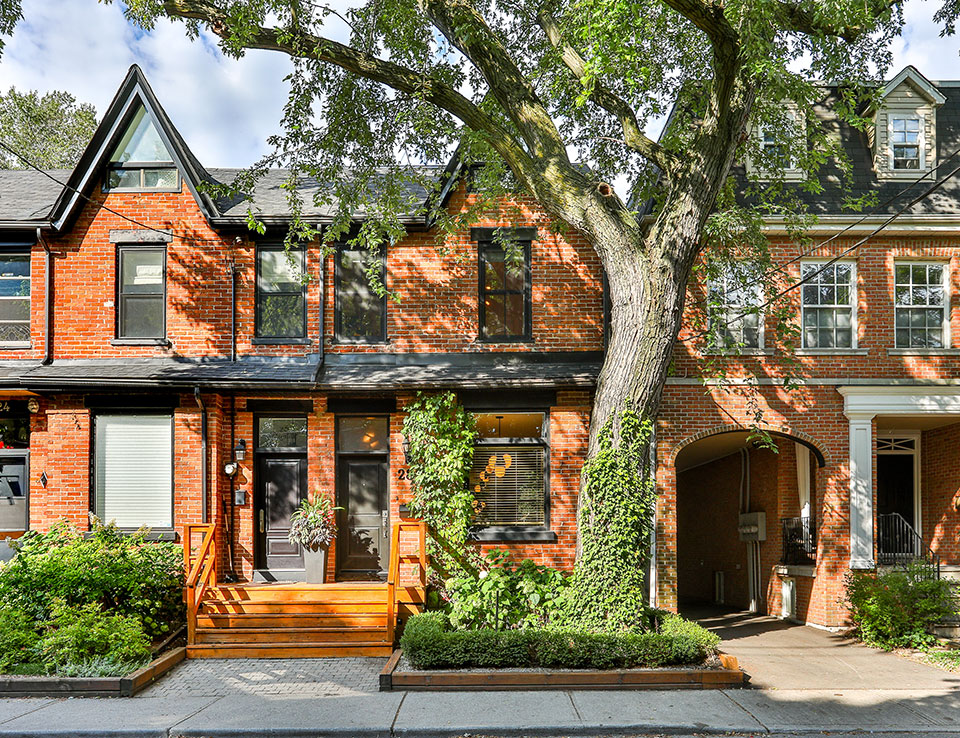
While condo inventory has increased substantially, the story is different in many freehold neighbourhoods across Toronto.
Areas like Leslieville, Trinity-Bellwoods, Riverdale, Little Italy, and High Park continue to see strong demand for quality freehold rentals. Renters searching those neighbourhoods are typically looking for a specific lifestyle: walkability, character, community feel, more space, and access to parks, schools, and local restaurants. They’re generally not cross-shopping those properties against a downtown glass condo tower. Inventory in those neighbourhoods remains relatively limited, especially for renovated or well-maintained homes.
That doesn’t mean every freehold rental is performing well. Older properties that haven’t been maintained, or homes that are poorly divided, are still sitting longer than they used to. But overall, quality freehold rentals are proving more resilient than much of the condo market.
Purpose-Built Rentals Are Playing by Different Rules
The conversation also touched on the growing divide between purpose-built rentals and investor-owned condos.
Purpose-built rental buildings operate very differently from individual condo landlords. Companies like Fitzrovia and Tricon Residential own entire buildings rather than individual suites. They have institutional capital behind them, on-site leasing teams, and long-term operational strategies that differ considerably from smaller landlords carrying personal mortgages.
That changes the approval process for tenants. Purpose-built operators are often more flexible with applicants who may not fit traditional landlord criteria, including newcomers to Canada or international students without extensive Canadian credit history.
But there’s a tradeoff.
Many purpose-built buildings are charging materially higher rents than comparable condo rentals nearby, even after incentives like free rent periods are factored in. And unlike smaller landlords, institutional operators are typically less relationship-driven during renewals. Several clients the Fox Marin team worked with ultimately left purpose-built rentals after experiencing aggressive rent increases at the end of their initial lease term.
Ralph also noted that many of these projects were financed using rental projections created during a much strong market environment. Some buildings today appear focused primarily on achieving occupancy first and working out the long-term economics later.
Tenant Fraud Has Become a Serious Problem
One of the more eye-opening parts of the discussion involved tenant fraud.
Sean explained that fraudulent application documents have become increasingly sophisticated over the past few years. Fake employment letters, fake pay stubs, fake credit reports. In some cases, the documents appear extremely convincing at first glance.
At the same time, lengthy delays at Ontario’s Landlord and Tenant Board have raised the stakes dramatically for landlords screening applicants. If a landlord ends up with a non-paying tenant, the process to resolve the situation can take months while carrying costs continue to accumulate.
That’s why the team emphasized that applicant quality matters far more than squeezing out a slightly higher monthly rent. A reliable tenant at a marginally lower rent is almost always the safer long-term decision.
For renters, preparation matters more than ever. The strongest applicants are typically those who arrive organized, with employment documentation, pay stubs, credit reports, and references ready before they begin serious property touring. In competitive situations, making the landlord’s decision easy often matters more than offering a bit of extra money.
What Happens Next?
The Fox Marin team expects rental activity to pick up through the summer months, which is fairly typical seasonally. But the bigger story may be what unfolds over the next several years.
Toronto’s pre-construction condo pipeline has slowed dramatically. Many projects that would normally be launching today aren’t moving forward due to financing challenges, construction costs, and weaker investor demand. That matters because a lack of projects starting now eventually becomes a supply problem several years down the road. The oversupply visible today may not last nearly as long as many people expect.
By 2027 and 2028, the city could find itself facing a very different rental environment as fewer new units begin delivering to the market.
The conversation also touched on government policy risks, including immigration targets and the possibility of expanded rent control measures. Both could significantly influence rental supply and pricing over the next decade.
Thinking about leasing a property in today’s rental market? Click here to see how our leasing team can help!
So Where Does That Leave Everyone?
For landlords, this market is unquestionably more competitive than it was a few years ago. But good properties are still performing well when pricing correctly, properly maintained, and marketed professionally.
For tenants, this is likely one of the better windows in recent years to secure a quality rental, with more negotiating power and more available inventory than the market has offered in some time.
But even in a softer market, the best listings still move quickly.
The biggest mistake anyone can make right now is assuming every segment of the market behaves the same way. Toronto’s rental market in 2026 is highly dependent on quality, location, presentation, and expectations. The difference between a property succeeding or struggling is often much smaller, and much more controllable, than many landlords realize.
If you’re thinking about leasing a property, searching for a rental, or trying to make sense of where the market is heading next, the Fox Marin leasing team is always happy to help.
Stay Ahead of the Market
Looking for more Toronto real estate insights, leasing advice, and market updates from the Fox Marin team? Explore the latest blogs and podcasts episodes for in-depth analysis, neighbourhood insights, and conversations about where the market is headed next:
Click here for our blogs
Click here for our podcasts
Contact Us (We’re Nice).
Fox Marin continues to be one of Toronto’s most recognized downtown real estate teams, with more than 500 five-star Google reviews, over 1,000 successful transactions, and more than $580 million in sales volume.
(*Source: Jan. 1, 2018 – Sept 1, 2025, RE Stats Inc. & Exclusive)
—
This article was written by Ralph Fox, Broker of Record and Managing Partner here at Fox Marin Associates. Ralph is a Torontonian native who recognized from an early age that the most successful people in life apply long-term thinking to their investments, relationships, and life goals. It’s this philosophy, along with his lifelong entrepreneurial drive and exceptional business instincts, that help to establish Ralph as a top agent in the real estate market in downtown Toronto.