Why Renting First Can Be One of the Smartest Decisions You Make
One of the first questions we ask anyone considering a move to Toronto isn’t what type of property they’re looking for.
It’s how well they know the city.
The answer often determines whether buying immediately makes sense or whether renting first is the better long-term strategy. For many newcomers, renting provides something that’s incredibly difficult to obtain from thousands of kilometres away: perspective.
Toronto isn’t one housing market. It’s dozens of neighbourhoods that comprise micro-markets.
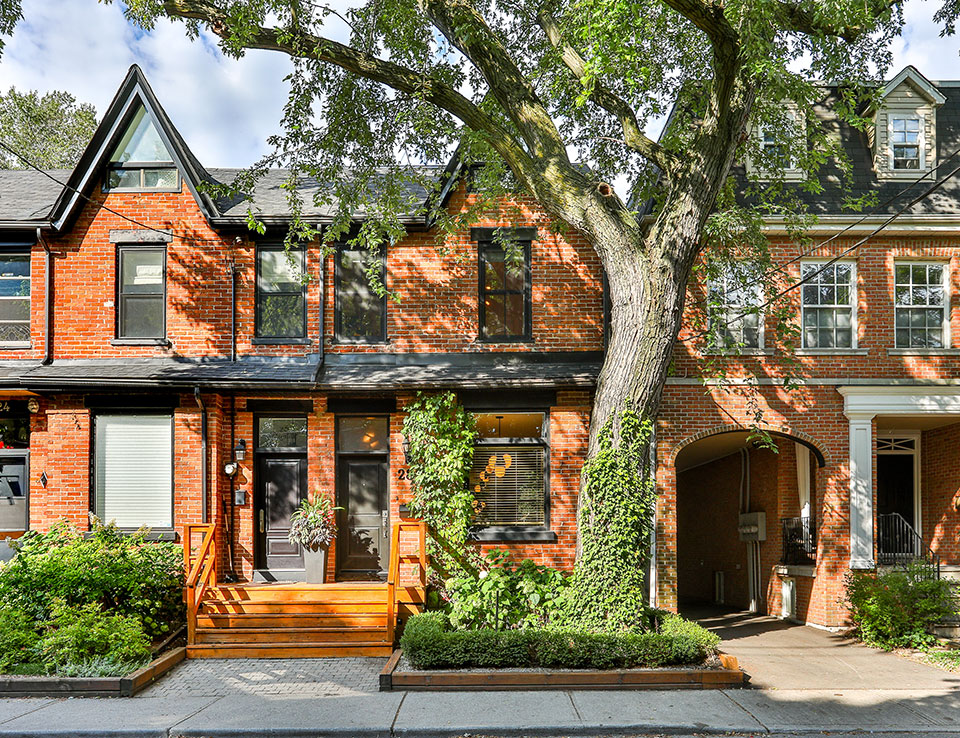
Living in King West is very different from living in Riverdale. High Park offers a completely different lifestyle from Liberty Village. Yorkville bears little resemblance to Leslieville. Each neighbourhood has its own distinctive rhythm, architecture, walkability, transit access, schools, restaurants, and sense of community.
Google Maps can show you where a neighbourhood is. It can’t show you what it feels like to live there.
That’s why renting first can be such a valuable decision: it gives you the opportunity to experience the city before making one of the largest financial commitments of your life. Many clients initially believe they want to live downtown. After several months exploring Toronto, they discover they prefer quieter, more mature tree-lined communities with larger parks, shorter school commutes, and stronger neighbourhood identities. Others realize they don’t need a car, while some decide they absolutely do. These decisions are difficult to make from another city or country, sitting at a computer.
FOX MARIN PERSPECTIVE
One of the biggest misconceptions about relocating to Toronto is that renting is simply a temporary stop before buying. We don’t see it that way.
We see renting as an opportunity to learn: to understand your commute, to discover your favourite neighbourhood cafe, to find the grocery store you’ll visit every week, and to figure out which you value most: nightlife, parks, schools, waterfront trails, or walkability.
In our experience, the best purchasing decisions almost always come after people understand how they actually want to live in Toronto.
Toronto’s Rental Market Is Unlike Most North American Cities
A common misconception before moving to Toronto is that renting will be the easiest part of relocation. After all, you’re not buying a home; you’re simply looking for a place to live.
In reality, many newcomers quickly discover that obtaining the right rental can require just as much research and legwork as purchasing a property. That’s because Toronto’s rental market has evolved into one of the most competitive in North America.
While market conditions fluctuate, exceptional homes and condos rarely sit vacant long. Well-maintained condominiums in desirable neighbourhoods, detached family homes near top schools, and renovated character properties often attract significant interest within days, with multiple offers for a rental property even in a down market. This surprises many people relocating from other cities, where renting is much simpler.
Demand in Toronto remains strong because people continue to move to the city for work, education, immigration, and lifestyle opportunities. At the same time, many renters are looking for the same things: a functional layout, a well-managed building, convenient access to transit, and a neighbourhood that fits their lifestyle.
The homes that everyone wants are usually the homes everyone else wants too. Preparation is what separates successful applicants from disappointed ones.
— Grace Collins, Sales Representative, Fox Marin
TIMING MATTERS MORE THAN PEOPLE REALIZE
Another characteristic that makes Toronto’s rental market unique is its seasonal nature. Although rentals are available year-round, activity tends to increase dramatically during spring and summer. Families often plan their moves before the school year begins, university students secure housing for September, and many professionals choose to relocate when the weather makes moving easier. As demand rises, so does competition.
Winter can offer unique opportunities. Although fewer properties are available, there are often fewer competing tenants for great, desirable properties, and for renters with flexible timelines, this can create better negotiating opportunities. Knowing these seasonal patterns helps set realistic expectations and allows relocators to build an effective strategy rather than simply reacting to whatever is available.
TORONTO ISN’T ONE RENTAL MARKET
One of the most important lessons we’ve learned after helping hundreds of people relocate is that there isn’t a single “Toronto rental market.” There are dozens.
Someone searching for a condominium in Yorkville is participating in a completely different market than someone looking for a family home in High Park or a loft in Leslieville. Each neighbourhood has its own inventory levels, pricing, demographics, lifestyle, and pace.
This is why searching solely by price rarely produces the best outcome. A slightly higher rent in a neighbourhood that shortens your commute by forty-five minutes daily may provide far greater value than a cheaper apartment farther from work.
Likewise, families may discover that paying slightly more to be close to parks, schools, community amenities dramatically improves their day-to-day quality of life.
Choosing where to live isn’t simply a financial decision. It’s a lifestyle decision.
People often begin their search asking about square footage and price. Before long, the conversation shifts to cafés, parks, transit, schools, and walkability. That’s when we know we’re helping someone choose a neighbourhood instead of simply choosing a property.
— Doris Simion, Sales Representative, Fox Marin
Why Great Rentals Move Quickly
One question we hear regularly is: “How long will this property stay on the market?”
Unfortunately, there isn’t a simple answer. Some homes remain available for weeks, while others lease within hours.
The difference usually isn’t luck. It’s quality.
Well-priced homes in desirable locations with thoughtful layouts, natural light, parking, outdoor space, or recent renovations attract more attention. Experienced renters spot value quickly, and landlords know these properties won’t stay available long, which is why timing matters so much.
FROM THE FOX MARIN LEASING TEAM
One of the biggest surprises for newcomers isn’t actually rental prices. It’s the market’s speed.
We’ve seen beautifully presented suites receive multiple qualified applications within a day or two of going to market. Often, the successful tenant wasn’t the highest bidder but the one who arrived prepared, presented a complete package, and gave the landlord confidence that the tenancy would successed from day one.
Preparation doesn’t guarantee you’ll secure every property you love, but it dramatically improves your chances. If you’re still weighing whether renting or buying makes more sense, our Renting vs. Buying in Toronto guide examines the advantages of each approach in detail. Finding the right home is only half the battle.
Landlords’ Due Diligence Will Be Extensive
Once you’ve found the right property, the next step is convincing the landlord that you’re the right tenant. For many newcomers, this is where Toronto’s rental market feels the most unfamiliar.
In some parts of the world, renting a property requires little more than identification and proof of your ability to pay rent. Ontario operates very differently.
Landlords are making an important financial decision every time they approve a tenant. Their goal isn’t simply to rent the property as quickly as possible; they’re looking for someone they believe will care for the home, pay rent consistently, communicate directly, and ideally remain for several years.
Understanding that perspective changes how you should approach your application. Rather than thinking of it as paperwork, see it as your opportunity to tell your story. A complete, well-organized application demonstrates professionalism, preparation, and reliability before you’ve even met the landlord.
As Grace Collins often tells clients:
The strongest rental applications don’t just explain what you earn. They help a landlord understand who you are.
What Toronto Landlords Are Really Looking For
One of the biggest surprises for people relocating to Toronto isn’t the rent price. It’s the amount of information landlords ask for before approving an application.
For someone moving from another province or another country, the process can feel surprisingly thorough, and even intrusive. In Toronto, most landlords will insist on employment letters, credit reports, references, identification, proof of savings, bank statements, and a complete rental application as part of your file. Sometimes, even a video interview is required to introduce yourself.
It’s understandable why newcomers occasionally ask us why a landlord needs all of this just to rent an apartment. The answer lies in understanding how Ontario’s rental market operates.
Unlike many jurisdictions worldwide, Ontario’s residential tenancy legislation provides significant protections for tenants. Those protections are important and serve an essential purpose, but they also mean that landlords take on considerable risk every time they hand over the keys to their property. If a tenant does not pay rent, it can take a landlord over a year to evict them.
As a result, landlords aren’t simply trying to determine whether someone can afford the monthly rent. They’re trying to determine whether they’re choosing someone they can trust for the long term.
Stay Ahead of the Market
Looking for more Toronto real estate insights, leasing advice, and market updates from the Fox Marin team? Explore the latest blogs and podcasts episodes for in-depth analysis, neighbourhood insights, and conversations about where the market is headed next:
Click here for our blogs
Click here for our podcasts
Contact Us (We’re Nice).
Fox Marin continues to be one of Toronto’s most recognized downtown real estate teams, with more than 550 five-star Google reviews, over 1,000 successful transactions, and more than $580 million in sales volume.
(*Source: Jan. 1, 2018 – Sept 1, 2025, RE Stats Inc. & Exclusive)
—
This article was written by Ralph Fox, Broker of Record and Managing Partner here at Fox Marin Associates. Ralph is a Torontonian native who recognized from an early age that the most successful people in life apply long-term thinking to their investments, relationships, and life goals. It’s this philosophy, along with his lifelong entrepreneurial drive and exceptional business instincts, that help to establish Ralph as a top agent in the real estate market in downtown Toronto.