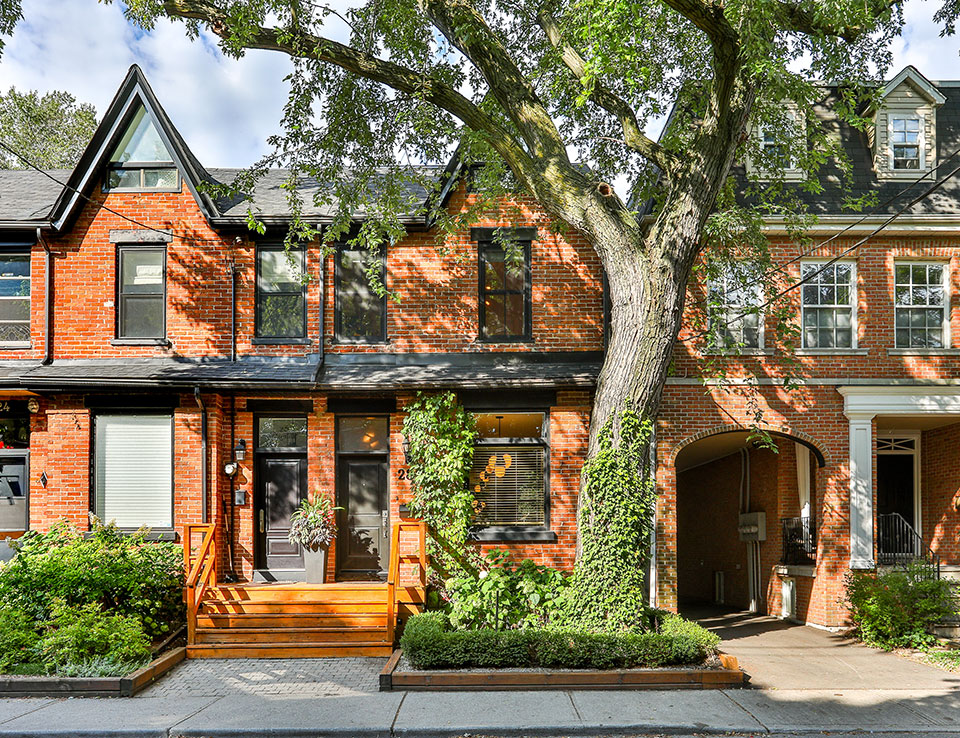
Toronto homeowners looking for a quick transaction have more options than the traditional MLS listing. As of mid-2026, the local market demands patience from sellers – Toronto-area homes average 32 listing days before securing a buyer, and once you factor in preparation and closing, the total time on the market often stretches to 45 days or more. This timeline can frustrate anyone who simply wants to move on and start buying a home in Toronto or elsewhere.
For those who can’t afford to wait, a direct cash sale offers a different path entirely. Cash home buyers in Toronto, ON skip the open houses, the staging, and the nail-biting around buyer financing. You get a direct offer based on the property’s current condition, you control the timeline, and you avoid the uncertainty that comes standard with a traditional sale.
Getting a Cash Offer for Your Toronto Property
Selling to an investment company or a direct buyer changes the real estate formula in one fundamental way: instead of preparing the property for the public market, you present it directly to a buyer who already has the funds ready. There’s no waiting for a mortgage approval – which, for the record, is one of the most common reasons traditional deals fall through.
Direct buyers look at location, lot size, and structural condition rather than cosmetic appeal. They calculate repair costs against post-renovation value and come back with a firm cash offer. Because they buy in any condition, you skip the pre-listing work that normally delays a sale by weeks.
Understanding the Expedited Closing Timeline
A standard Ontario transaction typically takes 30 to 60 days to close after an offer is accepted. Cash buyers cut that down considerably because they don’t rely on lender underwriting or formal appraisals. Once you agree on a price, the legal title transfer can happen in a matter of days.
You set the pace. Need to relocate within two weeks? A cash buyer can move that fast. Need two months to sort through three decades of belongings? They’ll schedule the closing accordingly.
How the Direct Selling Process Works
Working with cash home buyers in Toronto follows a straightforward sequence. You provide basic details about the property – the address, the number of bedrooms, the general condition of the major systems. The buyer uses that information, along with recent neighbourhood sales data, to put together an initial valuation.
If the preliminary numbers make sense for you, the buyer schedules a brief walk-through. This isn’t a formal inspection with a repair list attached. It’s simply a chance to verify the layout and gauge the scope of any updates needed. After that visit, you receive a formal, binding cash offer.
Requesting a Home Evaluation
The evaluation is free and comes with no obligation to proceed. The buyer looks at the roof, foundation, plumbing, and electrical systems to assess the total investment required. You don’t need to clean, stage, or depersonalize anything before they arrive.
Choosing a Closing Date
Once you sign the purchase agreement, the paperwork goes to a real estate lawyer to handle the title search and legal transfer. With no financing conditions in the way, the closing date you choose is secure. On that day, the funds transfer to your lawyer, the title changes hands, and you’re done.
Cash Buyers Versus the Traditional Toronto Market
Listing on the traditional market takes time, upfront capital, and a genuine tolerance for uncertainty. In July and August 2026, the average sale-to-list ratio in Toronto hovered around 97% – meaning many sellers had to accept less than their asking price after weeks of waiting. Single-detached homes moved slightly faster, with a median of 18 days on market in the second quarter, but broader Greater Toronto Area figures showed average market times stretching to 54 days earlier in the year.
A cash sale sidesteps all of that. No staging costs. No agent commissions. No clearing out every Tuesday evening for a showing.
The offer you receive is the amount you walk away with, minus your standard legal fees and any outstanding mortgage balance. What you see is what you get.
Selling Your Home As-Is
The as-is clause matters most for sellers dealing with older properties or deferred maintenance. You’re not required to update the kitchen, replace the flooring, or fix a leaking roof before handing over the keys. The buyer takes on full responsibility for the property’s condition the moment the sale closes.
Factoring in Buyer Closing Costs
Sellers don’t pay the Land Transfer Tax (LTT) or the Toronto Municipal Land Transfer Tax (MLTT) directly, but these costs shape who can realistically buy your home. In April 2026, Toronto increased the luxury MLTT rates on homes over $3 million, pushing the tax burden up to 8.6% on the highest brackets. That’s a significant upfront cost that shrinks the pool of traditional buyers for high-end properties – which is exactly why a well-capitalized cash buyer can be a practical alternative for luxury sellers.
Purchasing Homes Across the Greater Toronto Area
Demand for direct property sales extends well beyond the downtown core. Cash buyers operate throughout the entire Greater Toronto Area, purchasing everything from high-rise condominiums to large suburban lots. Whether you own a semi-detached in East York or a detached property in Etobicoke, the option exists.
The GTA covers a wide range of housing types and zoning regulations, which is why local expertise matters here. A buyer who knows Toronto’s specific bylaws, transit corridors, and neighbourhood dynamics can assess a property’s potential faster than an out-of-province investor – and that local knowledge tends to produce a more accurate and competitive offer.
Expanding Beyond the City Centre
Sellers in the outer boroughs and neighbouring municipalities often face longer listing times than those in the urban core. A semi-detached in Toronto might sit at a median of 15 days on market, while properties in the broader GTA can take considerably longer to attract the right buyer. Cash buyers offer a consistent, predictable timeline regardless of whether the home is in Scarborough, North York, or outside the city limits altogether.
Frequently Asked Questions
How much are real estate agent commissions and closing costs when selling a house in Toronto?
Traditional real estate commissions in Ontario typically range from 4% to 5% of the final sale price, split between the buying and selling agents. In a direct cash sale, you bypass those commissions entirely. Your primary closing cost will be the real estate lawyer’s fee to discharge your mortgage and transfer the title.
How long does it typically take to sell a home in Toronto from listing to closing?
Traditional listings in Toronto average about 32 days on the market before an offer is accepted, plus an additional 30 to 60 days to close. All in, expect the standard process to take two to three months. A direct cash sale can compress that entire timeline into a matter of days.
Do I have to pay capital gains tax if I sell my primary residence in Toronto?
No. Under Canadian tax law, the sale of a property that has been your principal residence for the entire time you owned it is exempt from capital gains tax. You must still report the sale on your income tax return to claim the Principal Residence Exemption.
What is the best month to list a property for sale in the Toronto real estate market?
Spring is traditionally the most active season for the Toronto real estate market, with May often seeing the highest volume of traditional buyers. If you’re selling to a cash buyer, though, seasonality doesn’t factor in – direct buyers purchase properties year-round regardless of market cycles.
Do I need a real estate lawyer to sell my condo in Toronto, and what exactly do they handle?
Yes – you must have a real estate lawyer to complete a property sale in Ontario. The lawyer prepares the deed, handles the transfer of funds, ensures your existing mortgage is paid off, and officially registers the title transfer with the province.
What property defects, like Kitec plumbing or knob-and-tube wiring, am I legally required to disclose to Toronto buyers?
Sellers in Ontario must disclose any known latent defects that render the property dangerous or unfit for habitation. Visible issues like outdated wiring might surface during an inspection, but hidden safety hazards have to be stated upfront. Selling to an as-is cash buyer often simplifies this, since they expect to fully gut and update the property’s systems.