The Real Cost of Buying a Home in Toronto: Hidden Expenses Every Buyer Should Know
For many Toronto buyers, saving for a down payment feels like the hardest part of purchasing a home.
Then comes closing day.
Suddenly, there are legal fees, land transfer taxes, title insurance, insurance premiums, moving expenses, statement-of-adjustment items, and a range of costs that many buyers never fully anticipated. For some, the realization comes as a surprise. For others, it can be downright overwhelming.
At Fox Marin, this is one of the most common conversations the team has with buyers. In fact, it is one of the topics regularly discussed through the Fox Marin First-Time Buyers Academy, where education and preparation are often just as important as finding the right property.
The reality is that purchasing a home in Toronto often requires significantly more cash than people expect. In some cases, closing costs alone can add tens of thousands of dollars to the transaction, even before a buyer considers furniture, renovations, or unforeseen repairs.
As Kori Marin recalls from her own experience purchasing her first property:
“I shed a lot of tears on closing because I just was not prepared for the amount of cash that was required to make that condo happen.”
It is a feeling many buyers can relate to.
Watch the Full Episode
While every transaction is different, knowing these costs before beginning the search can help eliminate surprises and create a much smoother route to homeownership.
Toronto Real Estate Continues to Be Expensive, Even During a Market Correction
Toronto’s housing market has experienced a significant correction over the past several years. Inventory has increased, competition has softened in some segments, and buyers have regained leverage that was virtually non-existent during the frenzy of 2021 and early 2022.
Yet despite those changes, affordability remains one of the defining challenges facing buyers today.
The average GTA home still trades for over $1 million, while the average condominium in Toronto remains well into the mid-$600,000 range. Even after one of the most significant market slowdowns in decades, homeownership remains expensive relative to local incomes.
As Ralph Fox notes:
“Even in the midst of a downturn, Toronto real estate is still very expensive relative to incomes.”
For many buyers, the challenge is no longer simply qualifying for a mortgage. The challenge is to accumulate enough cash to make the deposit.
The Cost Most Buyers Underestimate: Toronto’s Double Land Transfer Tax
If there is one expense that consistently catches buyers off guard, it is the double land transfer tax.
Toronto remains the only municipality in North America to charge both a provincial and a municipal land transfer tax. As a result, buyers purchasing within Toronto’s city limits pay two separate taxes on closing.
For many households, this becomes the largest expense after the down payment.
A buyer purchasing a $1 million property can easily face more than $30,000 in land transfer taxes. At higher price points, the numbers become increasingly significant.
As Kori Marin bluntly puts it:
“This is literally money that you just burn when you buy a property.”
While the comment many be tongue-in-cheek, it reflects how many buyers feel when they see the final statement of adjustments.
Unlike renovation or home improvement costs, land transfer taxes do not add value to the property. They are simply part of the cost of entering the market.
More importantly, these taxes are generally paid with cash. They cannot simply be rolled into a mortgage and forgotten about.
The Hidden Impact on Toronto’s Housing Market
At Fox Marin, land transfer taxes have become much more than a discussion at closing.
Increasingly, it is dictating how Torontonians are making housing decisions.
Many homeowners who might have traditionally sold and moved into a larger property are being forced to stay put. Rather than spending tens of thousands of dollars on land transfer taxes, they are investing that money back into their existing homes.
Basement renovations, additions, laneway suites, garden suites, and major remodels have become increasingly attractive alternatives to moving, given house financially punitive the double land transfer tax has become.
As Ralph Fox explains:
“You cannot tax your way into affordability.”
The unintended consequence is that fewer homeowners are moving up the property ladder, leading to fewer homes being listed for sale. In a city where very little new low-rise housing is being created, this reduction in turnover further limits supply.
It is one of the reasons housing affordability remains such a difficult challenge.
Relief for First-Time Buyers
Fortunately, first-time buyers do receive some support.
Ontario and Toronto currently offer land transfer tax rebates that can reduce closing costs by thousands of dollars for eligible purchasers.
For many first-time buyers entering the market, this rebate can be one of the most valuable incentives available.
Importantly, the rebate is typically applied during the closing process rather than requiring buyers to pay the full amount upfront and wait for reimbursement later.
While the rebate does not eliminate closing costs altogether, it can provide meaningful relief during a period when every dollar matters.
Understanding how rebates, closing costs, financing, and timelines fit together is a major part of the Fox Marin Buyer Experience. The goal is not simply to help clients purchase a property, but to help them understand every stage of the process before they commit.
Legal Fees Are Not the Place to Cut Corners
Another common mistake buyers make is focusing exclusively on finding the cheapest lawyer.
At first glance, saving a few hundred dollars may seem like a smart decision.
In reality, a strong real estate lawyer, when needed, can be worth their weight in gold.
Most closings are straightforward, but when title issues arise (and they do, from time to time), having an experienced lawyer who can advocate on your behalf can become critical.
As Ralph Fox advises:
“Think of the additional cost as an insurance policy.”
While most closings are straightforward, some are not. When title issues arise, adjustments become complicated, documents are delayed, or defects are discovered before closing, an experienced lawyer can become invaluable. This is one of the reasons Fox Marin places such an emphasis on preparation throughout the entire home-buying process.
The Smaller Costs That Add Up Faster Than Expected
One of the biggest misconception buyers have is that the down payment and land transfer tax constitute their entire closing costs. In reality, there are countless smaller expenses that can really add up.
Title insurance, inspections, home insurance, moving expenses, utility setup fees, elevator bookings, and closing adjustments all contribute to the final number
As Ralph Fox notes:
“When you see the statement of adjustments for the first time, it’s amazing how quickly all of those line items add up.”
Understanding HST and New Construction Purchases
HST remains one of the most misunderstood aspects of real estate purchasing.
For resale homes and condominiums, the rules are generally straightforward. In most cases, HST does not apply.
However, when purchasing new construction, it is not nearly as straightforward.
Whether purchasing a newly built home, townhouse, or pre-construction condominium, buyers may encounter HST considerations and rebate programs that significantly affect the final cost of ownership.
Recent federal rebate programs have introduced new opportunities for certain first-time buyers and investors, but eligibility requirements can be complex.
For that reason, buyers considering new construction should always seek advice from professionals who specialize in that segment of the market.
Why Pre-Construction Buyers Need to Be Especially Careful
Pre-construction transactions can introduce a whole new level of complexity.
Beyond the purchase price itself, buyers may encounter development charges, levies, occupancy fees, assignment-related costs, legal review fees, 10-day cool-off periods, capped charges and various HST considerations.
One of the most common mistakes Fox Marin sees is buyers focusing on the advertised purchase price without completely understanding the additional costs that may arise before final closing.
The challenge is that they are often buried within lengthy contracts and unfamiliar terminology that many buyers encounter for the first time.
This is why experienced legal and professional advise becomes so important.
Fox Marin Perspective: What We’re Seeing Right Now
One of the biggest challenges facing buyers today is not qualification.
It is liquidity.
Many buyers have the income required to support homeownership on a monthly basis; however, many are struggling to come up with the down payments and excessive closing costs. This is where the bank of mom and dad typically comes into play, especially for first-time home buyers.
Buyers who focus exclusively on mortgage qualifications and purchase price, without considering closing costs and contingencies, can often set themselves up for a rude awakening. This is why it is so critical to do your own due diligence and financial planning well in advance of offering.
This is particularly true for clients relocating to Toronto from other provinces or countries. Many are familiar with their local market but are surprised by Toronto’s unique closing costs, tax structure, and purchasing process and paperwork involved. Having a clear financial roadmap before beginning the search can greatly lessen stress and help set yourself up for success.
The Bottom Line
Buying a home in Toronto is about far more than the purchase price.
The most successful buyers understand and have accounted for the double land transfer tax, legal fees, insurance costs, inspections, moving expenses, adjustment items, and post-closing contingencies.
A little preparation upfront can eliminate a tremendous amount of stress later.
Over the years, Fox Marin has helped hundreds of buyers navigate Toronto’s increasingly complex housing market. Many of those experiences are reflected in the firm’s testimonials, where preparation, communication, and education are recurring themes.
At Fox Marin, the goal is not simply to help clients buy a property. It is to help them understand the full financial picture so they can advance with confidence, clarity, and realistic expectations.
Because in Toronto real estate, the smartest buyers are rarely the ones who stretch the furthest.
They are the ones who prepare the best.
If you’re considering purchasing a property in Toronto and would like guidance on budgeting, financing, or understanding your true closing costs, contact Fox Marin. The conversation may save you far more than you expect.
Frequently Asked Questions About Buying a Home in Toronto
Closing costs vary depending on the property and buyer profile, but most buyers should budget between 1.5% and 4% of the purchase price. This can include land transfer taxes, legal fees, title insurance, adjustments, inspections, and moving expenses.
For most buyers, the highest hidden cost is Toronto’s double land transfer tax. Toronto is the only municipality in Canada that charges both a municipal and provincial land transfer tax, often adding tens of thousands of dollars to a purchase.
Generally, no. Land transfer taxes are typically paid in cash at closing and cannot be rolled into a conventional mortgage.
Yes. Eligible first-time home buyers may qualify for rebates of up to $8,475, which can significantly reduce closing costs.
In most cases, HST does not apply to resale homes or condominiums. HST may apply to newly built homes and pre-construction properties, although rebates may be available depending on the situation.
Most Toronto buyers should expect legal fees, HST, and disbursements to total $1,500 to $5,000. The exact amount depends on the transaction’s complexity and value.
Closing adjustments are expenses the seller has already paid, which the buyer must reimburse on a prorated basis on the closing date. Common examples include property taxes, maintenance fees, and rental contracts.
Most lenders require title insurance. It protects buyers and lenders against issues such as title fraud, boundary disputes, and certain legal defects affecting ownership.
Buyers putting less than 20% down are generally required to purchase mortgage default insurance through the CMHC or another insurrer for purchases of less than $1.5 million. While the premium can usually be added to the mortgage, the Provincial Sales Tax on the premium must typically be paid at closing.
Absolutely. One of the most common recommendations from Fox Marin is to maintain a post-closing contingency fund. Even well-maintained homes can experience unexpected issues shortly after possession.
Stay Ahead of the Market
Looking for more Toronto real estate insights, leasing advice, and market updates from the Fox Marin team? Explore the latest blogs and podcasts episodes for in-depth analysis, neighbourhood insights, and conversations about where the market is headed next:
Fox Marin is recognized as one of Toronto’s most trusted real estate teams, with 550+ five-star Google reviews, more than 1,000 successful transactions, and over $700 million in sales volume. (*Source: RE Stats Inc. / Loft47, Jan. 1, 2018 – Aug. 31, 2026)
—
This article was written by Ralph Fox, Broker of Record and Managing Partner here at Fox Marin Associates. Ralph is a Torontonian native who recognized from an early age that the most successful people in life apply long-term thinking to their investments, relationships, and life goals. It’s this philosophy, along with his lifelong entrepreneurial drive and exceptional business instincts, that help to establish Ralph as a top agent in the real estate market in downtown Toronto.
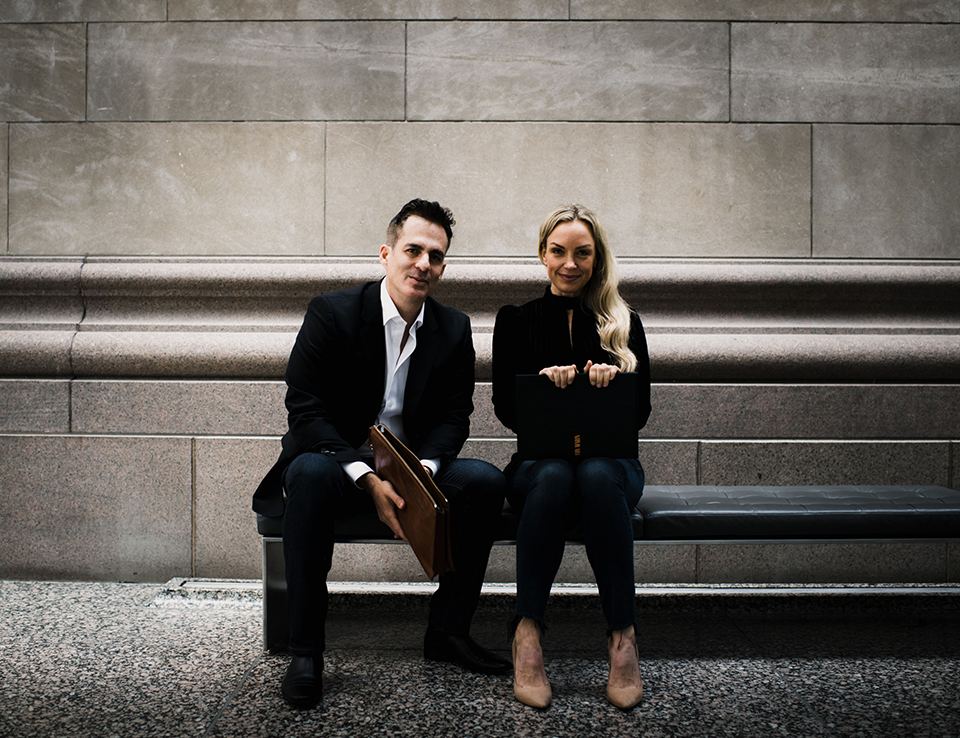
Ralph Fox & Kori Marin
Kori and Ralph's love affair with Toronto Real Estate have spanned several decades! It is incredible to see how far their mad crazy passion for design, architecture and innovation has taken them, which is only the beginning of their bigger vision and relentless goal-setting! Kori and Ralph have created this forum for their readers to explore the good, the bad, and the sometimes ugly real estate. An honest perspective about the ins & outs of the business - one in which they live, work and experience first hand every day. Nothing is more interesting than the "real" in real estate!