The Toronto Regional Real Estate Board (TRREB) actively endorses home staging as a marketing tool that helps anyone selling a home in Toronto attract buyers and maximize property value. And honestly, that endorsement matters – TRREB isn’t in the habit of championing things that don’t move the needle.
Preparing a house for the market involves more than cleaning up. It’s about presenting the space in a way that appeals to a broad range of potential buyers, and doing that well takes a plan. Sellers in Toronto weighing the upfront cost against the potential return on investment need to understand local staging prices, know when a professional is worth it, and figure out where to focus their energy room by room.
Why Home Staging Works for Toronto Sellers
TRREB notes on its “Ready to Real Estate” podcast and blog that staged homes spend less time on the market than unstaged homes. The board frames staging as a marketing strategy – one that helps real estate agents put a property’s best features front and centre rather than leaving buyers to connect the dots themselves.
TRREB doesn’t publish its own numeric return on investment statistics, but Toronto-based sources point to national industry data to fill that gap. The Real Estate Staging Association (RESA) reports a $23.34 return for every $1 invested in staging. The National Association of Realtors (NAR) puts the average return at 7.1% over asking for staged properties. Those numbers exist because buyers genuinely struggle to visualize themselves in an empty room or one that’s been decorated around someone else’s personality. A neutral presentation removes that friction.
How Staging Affects Time on the Market
Homes that look move-in ready attract more immediate interest from buyers browsing online listings – and in Toronto, that first scroll matters. A well-staged home photographs better, which translates directly into more showings in those critical first few weeks.
Fewer days on market also protects sellers from a problem most don’t think about until it’s happening to them: price drops and mounting carrying costs. Buyers notice when a listing has been sitting. They assume something is wrong. A quick sale keeps that perception from becoming the story.
The Return on Investment for Sellers
Think of staging less as an expense and more as a line item in your marketing budget – one that tends to pay for itself. Sellers who invest in staging typically see multiple offers, particularly when the presentation draws attention to square footage and natural light.
Professional photography paired with a properly staged interior maximizes the home’s appeal to the widest possible audience. That combination is hard to replicate any other way.
The Cost of Home Staging in Toronto, ON
Professional home staging in Toronto costs between $1,500 and $8,000 for most residential properties. Where you land in that range depends on the home’s size, how much furniture needs to come in, and whether the property is vacant or occupied.
Condominiums and apartments generally run $1,500 to $4,500, depending on the layout and how straightforward it is to get furniture into the unit. Detached and semi-detached homes typically fall between $3,000 and $8,000 for a full staging. If you’re not ready to commit to full-service staging, consultation-only services start around $150 to $600 – you get a detailed plan and execute it yourself.
Average Prices for Professional Staging
Full-service staging means a team handles the entire process: consultation, furniture rental, delivery, setup, and eventual removal. You don’t manage any of it.
Prices scale with inventory. Staging a large four-bedroom house with multiple living areas will sit at the higher end of the $8,000 range. A one-bedroom condo requires far fewer pieces, and the price reflects that.
Budgeting for DIY Improvements
Going the DIY route doesn’t mean spending nothing. Fresh paint, new lighting fixtures, and updated cabinet hardware can modernize a space without hiring a contractor – but they do cost money, and it’s worth budgeting for them properly.
Renting a storage unit is another common DIY expense that pays off. Getting bulky furniture out of the rooms makes spaces feel larger and lets buyers focus on the architecture rather than your belongings.
Pricing Differences for Vacant and Occupied Homes
A vacant home requires the staging company to bring in everything – sofas, beds, artwork, rugs. That full-service approach drives up the cost, but it’s the only way to make an empty property feel like somewhere a person could live.
Occupied staging works differently. The stager works around your existing furniture, bringing in select accent pieces and accessories to update the look. Less inventory, less labour – occupied staging typically starts around $1,000 to $2,500.
Choosing Between Professional and DIY Staging
The decision comes down to three things: budget, timeline, and the property’s current condition. A conversation with your agent before you make the call can save you money – or save you from underspending somewhere it matters.
High-end properties and completely vacant homes almost always benefit from professional staging. If you’re living in a well-maintained home with reasonably modern furniture, a DIY approach can get you a lot of the way there.
When to Hire a Professional
If your home is completely empty, hire a professional. Vacant rooms photograph smaller than they are, and they feel cold during showings. Professionals carry the inventory to scale furniture appropriately to each room’s dimensions – that’s not something most homeowners can replicate from their own garage.
A professional stager is also worth it when you’re dealing with an unusual layout or awkward spaces. They know how to arrange furniture so every room has a clear purpose, which prevents buyers from standing in a room wondering what it’s supposed to be for.
What Staging Services Include
Full-service staging companies handle design, delivery, setup, and removal. They manage the logistics of moving pieces in and out, which also means your walls and floors stay protected.
The service typically includes a rental period of 30 to 60 days – enough time to cover the listing period for most properties. Once the home sells, the company comes back before closing to pack up their inventory.
A Checklist for DIY Staging
The goal is simple: create a neutral, welcoming environment where buyers are thinking about the property, not about you. Everything on this list serves that one idea.
- Pack away family photos, personal collections, and daily countertop appliances.
- Remove oversized furniture that blocks walkways or makes rooms feel cramped.
- Apply a fresh coat of neutral paint to any walls with bold or custom colours.
- Update worn or outdated light fixtures and ensure all bulbs emit a consistent colour temperature.
Room-by-Room Advice for Preparing Your Home
Buyers form an opinion about a home within the first few minutes of walking through the front door. That’s not a figure of speech – it’s just how it works. So the question isn’t whether first impressions matter; it’s where to spend your time and money to make yours count.
The kitchen, living room, and primary bedroom carry the most weight in a buyer’s decision. Get those right, and you’re in good shape.
Updates for the Living Room and Kitchen
The living room needs a clear focal point – a fireplace, a large window – with furniture arranged to encourage conversation rather than traffic jams. Pull out the extra chairs and side tables. More floor space reads as a bigger room.
Kitchens are about cleanliness and signal. Clear countertops and spotless appliances tell buyers the home has been looked after. A bowl of fresh fruit or a small potted plant adds a touch of colour without adding clutter. That’s genuinely all it takes.
Preparing Bedrooms and Bathrooms
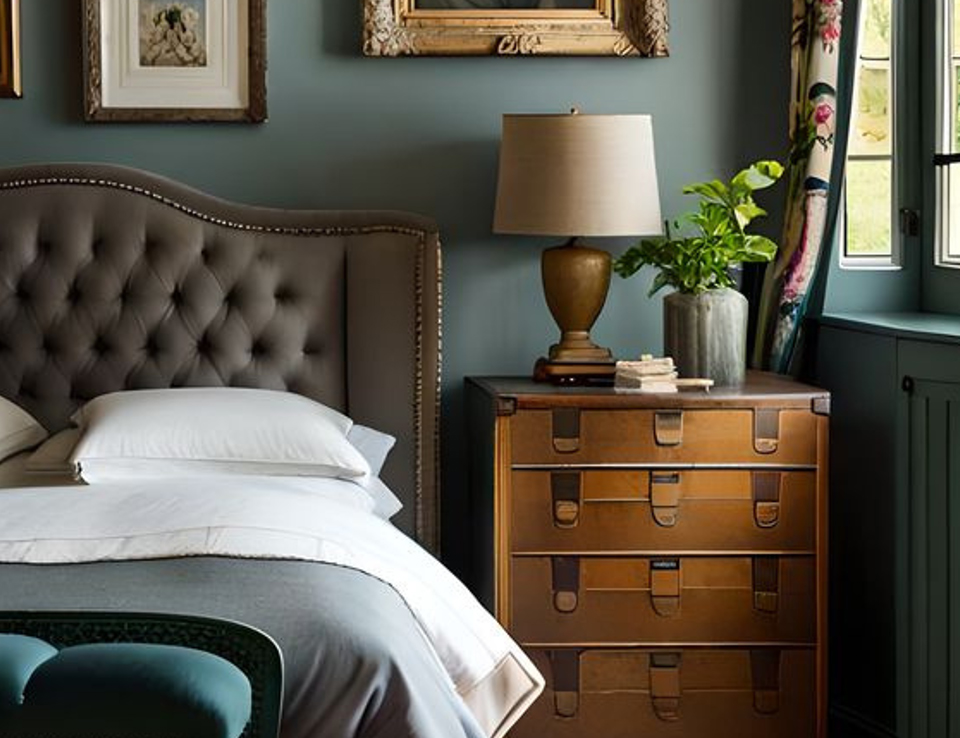
The primary bedroom should feel calm. Crisp white bedding, minimal furniture, and organized closets – that last part is more important than most sellers expect. Buyers open closet doors, and a tidy, edited closet suggests the home has real storage, not just the appearance of it.
Bathrooms need to be spotless, with all personal hygiene products out of sight. Fresh white towels, a new shower curtain, and updated cabinet hardware can make an older bathroom look considerably less dated for very little money.
Improving Curb Appeal and Entrances
The exterior sets the tone before buyers even get to the front door. Sweeping walkways, trimming overgrown shrubs, and painting the front door can do more for a property’s curb appeal than a lot of interior updates.
Inside the door, give buyers room to breathe. A simple mirror, a small console table, and a new welcome mat create an inviting entry without crowding the space. Buyers should feel like they’ve arrived somewhere, not like they’re shuffling past your coat rack.
Handling Occupied and Vacant Listings
Selling a home you’re still living in is a different challenge than selling an empty one. Both situations are manageable – they just require different thinking.
The occupied home demands daily discipline. The vacant home demands more upfront investment. Neither is harder than the other; they’re just different problems.
Selling While Living in the House
Build a morning routine around it. A quick sweep before leaving for work – especially a designated basket to collect stray items – makes short-notice showings a lot less stressful. Buyers don’t give much warning, and you won’t always have an hour to prepare.
Pets deserve a specific plan. Bowls, beds, and litter boxes should disappear before every showing, and the home needs to be thoroughly cleaned to eliminate any pet odours. Buyers notice, even when they don’t say anything.
Using Virtual Staging for Empty Rooms
Virtual home staging digitally adds furniture and decor to photographs of vacant rooms. It costs considerably less than traditional staging and gives online buyers a sense of how the space could work.
The catch is straightforward: buyers still walk into an empty house during physical showings. If you go this route, disclose clearly that the listing photos are virtually staged. Setting accurate expectations before someone arrives is far better than the awkward silence when they walk through the door.
Staging Companies Serving the Greater Toronto Area
Toronto has a well-developed network of professional stagers with the inventory and experience to handle everything from a downtown condo to a large suburban house. Working with an established local company means reliable furniture, professional execution, and someone who knows the market.
The best place to start is usually a referral from your listing agent. Local stagers understand which design approaches resonate with buyers in specific neighbourhoods, and a good agent knows whose work holds up.
Evaluating Local Staging Providers
Your agent can typically point you toward a stager whose aesthetic matches the target demographic for your area. Beyond the referral, review their portfolio. The past work tells you more than any conversation will.
Ask upfront about their timeline for furniture delivery and how long the rental period lasts. These aren’t small details – a delay getting furniture in can push back your photography date and your listing launch.
Established Stagers in the City
A few well-known companies operate within the local market and are worth knowing about. StyleBite Staging is a Toronto-based company that has staged over 1,000 homes across the Greater Toronto Area. StagingWorks, led by Anne Bourne, has been in business for over 14 years and reports selling 95% of its staged properties within three weeks. Kelly Allan Design operates a 10,000-square-foot furniture warehouse in Toronto, which gives them considerable inventory depth for larger projects. Toronto Home Staging and Design Inc. (TCSD) was founded in 2002 and holds the distinction of being described as the first Accredited Staging company in Toronto.
Home Staging FAQs
Does home staging help sell a house faster in Toronto?
Yes. The Toronto Regional Real Estate Board (TRREB) notes that staged homes spend less time on the market than unstaged homes. Staging acts as a marketing tool that helps attract buyers and maximize property value.
How much does it cost to stage a house in Toronto?
It depends on the property size and staging type. Professional staging in Toronto generally costs between $1,500 and $8,000 for most residential properties. Occupied staging using existing furniture starts around $1,000 to $2,500, while consultation-only services run $150 to $600.
What’s the difference between hiring a professional stager and DIY staging?
Professional stagers bring in their own furniture and handle all design, delivery, and setup logistics. DIY staging involves the homeowner decluttering, painting, and rearranging their own belongings, sometimes guided by a paid professional consultation.
What should I NOT do when staging my house for sale?
Don’t leave personal collections, family photos, or bold custom paint colours on display. Buyers need a neutral environment to visualize themselves living in the space.
How should I stage a house I’m still living in vs. a vacant Toronto listing?
For an occupied home, focus on decluttering, removing bulky furniture, and maintaining a daily cleaning routine to stay show-ready. A vacant listing typically requires renting furniture to give empty rooms a sense of scale and purpose.
What is virtual staging, and is it enough for my listing in Toronto?
Virtual staging digitally adds furniture to photos of empty rooms to improve the online listing. It helps buyers visualize the layout online, but they’ll still experience an empty house during the physical showing.
How long does home staging take before I can officially list my property?
It depends on the scope of the project. A simple decluttering and DIY refresh might take a weekend, while full professional staging requires time for a consultation, furniture delivery, and setup before listing photos can be taken.
Taking the Next Step Toward Listing
Preparing a home for the market requires a clear plan and a realistic sense of what local buyers expect. A walkthrough with your agent before you start spending anything gives you a roadmap – what needs to happen, and in what order.
You don’t have to figure this out alone. A good agent can connect you with trusted local stagers, contractors, and photographers so that when your property hits the market, it’s ready to make a strong first impression.