Part Two: East versus West – The Ontario Line, Emerging Areas, and the Future of Toronto’s East End
In Part One of this series, we settled the East-versus-West debate with a decade of hard data, tracking how every major East End pocket has performed on price, and what it really costs to buy in each. If you missed it, start with East vs. West, Part One: A Decade of Toronto East End Home Prices, Decoded for the full pricing picture.
Data can only show you where a neighbourhood has been; this second part of the article looks at where the East End is heading. The one major question that any buyer considering the East Side of Toronto is now: which areas still have the greatest potential, and what are the underlying factors? The brief answer is a once-in-a-generation surge in transit and infrastructure on the Lower East Side, with the Ontario Line at the forefront, alongside a small number of neighbourhoods that are still affordable and poised to experience “their moment”. Here is the map for the next decade.
Watch the Full Episode
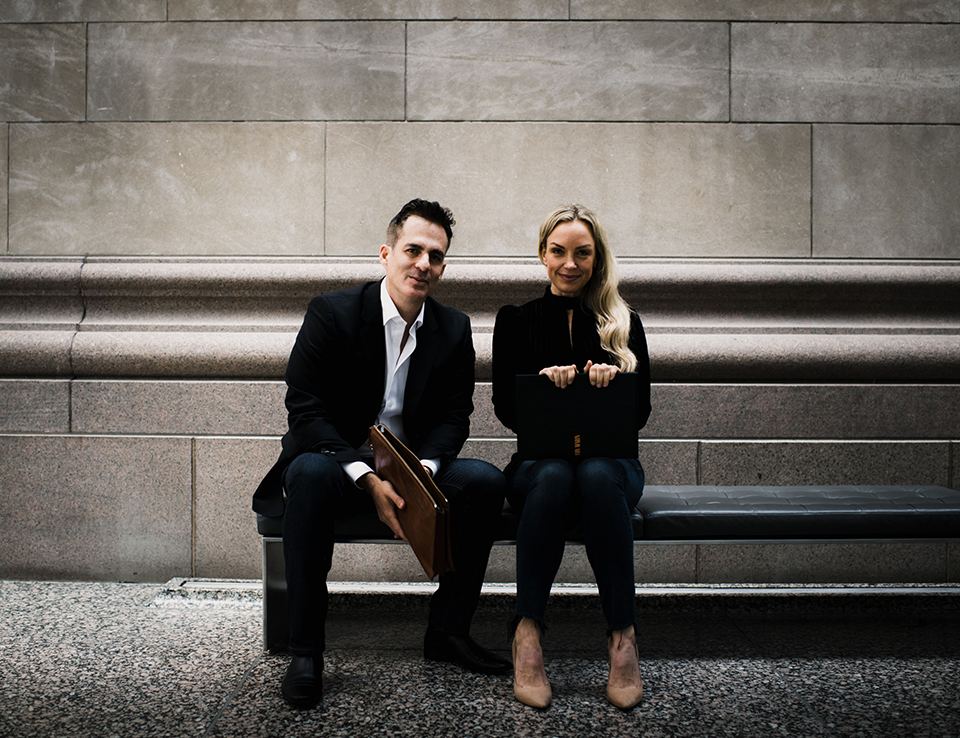
Would you rather watch rather than read? In this episode, Ralph Fox and Kori Marin look at the subject and provide some practical insights they have gained from their team assisting hundreds of buyers, sellers, and renters in navigating the Toronto market.
The Ontario Line: The East End’s Coming Game-Changer
The Ontario Line is the project that will redraw the map of the East End. Following the prolonged difficulties associated with the Eglinton Crosstown LRT, it is entirely reasonable to be skeptical about any transit initiative in Toronto. However, there is a different atmosphere currently surrounding this Ontario Line. As Ralph Fox, the broker of record at Fox Marin, admits:
“I am the most bitter and jaded person when it comes to the Eglinton LRT, but when it comes to the Ontario Line it feels like they’re actually moving quite quickly. There’s a lot more movement going on.”
The Ontario Line was announced in 2019, with an initial target for opening in 2027; substantial construction started in March 2022. The official target date has since been pushed back to 2031, and as of February 2026, Metrolinx states that civil construction will be completed in the early 2030s, with testing still to come and no definite opening date having been confirmed.
The Ontario Line will be 15.6 kilometres long and include 15 stations, namely East Harbour, Corktown, Riverside, Leslieville, and Gerrard, which serve the East End. In April 2026, four stations were renamed, tunnelling began at depths of up to 40 metres, and the construction budget, which had originally been $10.9 billion, now stands at $27.2 billion.
Kori Marin, broker and co-founder of Fox Marin, shares the reserved optimism:
“It feels like it is moving a lot faster, and there just seems to be more energy. This is going to be such a big game changer and so overdue.” – Kori Marin
Neighbourhoods like Leslieville and Gerrard-Coxwell have always felt somewhat cut off from the core. An express route with minimal stops connecting them directly to downtown changes the fundamental paradigm of living in these neighbourhoods.
“People who normally wanted to live close and walking distance to their work now can live in these communities and get to work really quickly, without having to sacrifice lifestyle for commuting.” – Ralph Fox
For anyone who owns in these pockets or is considering buying, that shift is a durable, long-term tailwind and one of the strongest arguments in the East End’s favour.
Playing the Long Game: East Harbour and the Port Lands
There are two megaprojects that it’s worth keeping an eye on, and both may take a decade to complete.
East Harbour occupies the former 38-acre Unilever site on the Lower East Side. It was approved for 10 million square feet of office space, up to 50,000 jobs, 4,000 residential units, and 9 acres of parkland. The reality check: with downtown office demand challenged since the pandemic, there is an active rethink of the mix, shifting toward more residential uses. What is certain is that the Ontario Line is adding stations here, with GO stations targeted around 2028. The renderings are genuinely exciting, but meaningful delivery is a long way out.
The Port Lands represents one of the most ambitious civic initiatives in the city’s history, involving $1.4 billion for flood protection and the rerouting of the Don River to create a 98-acre island called Ookwemin Minising, which means “place of the black cherry trees”. The new park opened its first 50 acres in July 2025, making it Toronto’s largest newly created park in a generation, while the remaining 10 acres have only recently become available. There are plans for about 9,000 homes, 30 percent of which are to be affordable housing. Construction has not yet begun, and occupancy will be several years away. If your time horizon is ten years, then keep an eye on the area; any shorter and you might want to look elsewhere.
A Note on the Streetcars
For all the excitement about future transit, the present-day reality on the East End streetcar network is a genuine pain point buyers should factor in. Recent on-time performance in the area has run around 60 percent against a 90 percent target, down three points year-over-year.
The 501, 504 and 503 lines have absorbed repeated suspensions, with the 501 Queen Street East shut down from February to April for track renewal. In fairness, this is a city-wide problem rather than an East End one, something Ralph Fox is quick to point out, calling it a city-wide epidemic that afflicts the West End just as badly. But if you are relying on surface transit day-to-day, walk the route during rush hour before you commit, further underscoring the importance of the future Ontario Line.
Seven Up-And-Coming East End Pockets to Watch
Pulling it all together, these are the areas Fox Marin sees the most upside in over the next several years:
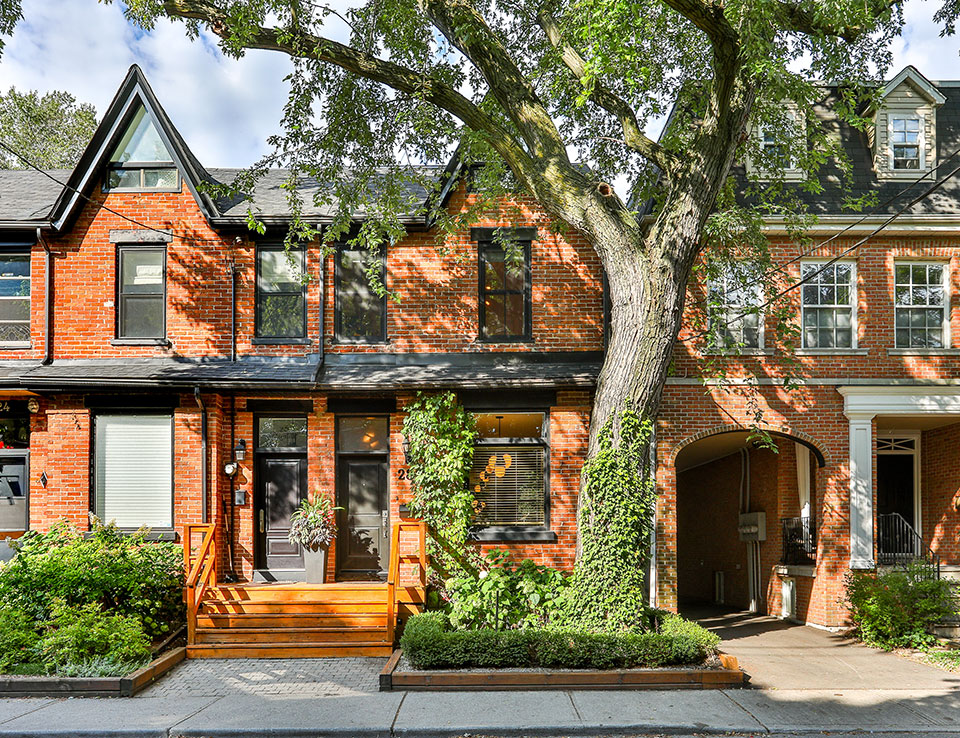
1/ Near the Broadview Hotel at Queen and Carlaw, which used to be the more run-down part of Leslieville, has undergone significant gentrification over the last three to five years due to condo development and improved streets. It is still possible to find a low-rise or condo that is more reasonably priced.
2/ Gerrard Street East into the Indian Bazaar. It’s a favourite that comes up again and again. There are great things happening in and around this strip, and the prices are still rather affordable.
3/ Leslieville east of Greenwood, into the Greenwood-Coxwell corridor. Cute houses, ideal for first-time buyers or condo owners leaping at a first low-rise home.
4/ South Riverdale south of Queen, near Eastern Avenue. Formerly industrial, now home to excellent loft conversions and charming row houses. Vastly improved from its rougher past.
5/ The Port Lands. A 15-year play for patient long-term planners.
6/ East Harbour. Worth watching closely to see how the residential-versus-office question resolves.
7/ Pape, located south of the Danforth, has an Ontario Line station planned for the area. If you are are considering moving to this area you can expect to put up with construction for a while, but the rewards should be considerable.
Kori Marin is particularly optimistic about the Greenwood-Coxwell corridor for many first-time buyers looking for an entry point into the low-rise market:
“There are so many cute houses, perfect for a first-time homebuyer, perfect for a first-time condo seller moving into their first low-rise property. Please pay attention to this area.” – Kori Marin
And Ralph Fox echoes the broader mindset for anyone scouting these pockets:
“If you’re unfamiliar with them, get out and just walk through these neighbourhoods, check out the coffee shops, talk to residents and feel the vibes.” – Ralph Fox
If you are weighing several areas against each other, our guide to How to Choose the Right Toronto Neighbourhood When Relocating is a useful framework for comparing pockets on lifestyle rather than price alone.
The Character Behind the Numbers
What makes the East End worth all this attention is not just transit lines and appreciation potential. The stretch through Leslieville, Riverside and the emerging Gerrard-and-Jones pocket has become one of the city’s genuine food and culture destinations, a neighbourhood the New York Times has singled out as one of Toronto’s coolest. If you want a feel for the day-to-day life that makes these pockets so sticky with residents, from the sunrise views over Riverdale Park to the craft breweries and brunch lines, our East of the Don Neighbourhood Guide is the best place to start.
That charm and character of many of these communities is why these neighbourhoods hold their value. This is a theme we return to often; as we explore in The Real Life Events Behind Toronto Real Estate Decisions, the most durable demand comes from people making moves for livability and finding a long-term home. Kori Marin points to another factor that has become increasingly important to buyers since the pandemic, especially in the master-planned districts near the water:
“I really feel that the Canary District and Distillery feel somewhat protected from some of the sketchiness other neighbourhoods have experienced since COVID. If I were a young person living on my own, I would feel very good about living here.” – Kori Marin
The Fox Marin Perspective
The East End of Toronto has evolved and matured into a highly desirable place to live, and prices have followed. And it is possible that the coming decade will transform its status into that of one of Toronto’s premier places to live. The Ontario Line, the East Harbour area, and the Port Lands all signal continued investment, even though the timelines call for patience.
When you add to that the fact that the neighbourhoods have already shown themselves to be resilient, you end up with a strong long-term argument, in particular for first-time buyers.
The only way to get a proper understanding of any of these neighbourhoods is not to read about them, but to get out and walk and experience them first hand. Spend an afternoon in the coffee shops, talk to local residents, and get a feel for the atmosphere on the side streets. Although the data in Part One gives you a good indication of the way things are going, it is best to get out and familiarize yourself with how these vibrant neighbourhoods are evolving.
As of early 2026, there is no confirmed opening date. The official target has slipped to 2031, with Metrolinx indicating that civil construction will finish in the early 2030s, with testing to follow. The 15.6-kilometre line will include East Harbour, Corktown, Riverside, Leslieville and Gerrard stations serving the East End.
Improved rapid transit historically boosts nearby property values by making previously cut-off neighbourhoods far more convenient to the downtown core. Fox Marin views the line as a durable long-term tailwind for pockets like Leslieville, Gerrard-Coxwell and Pape, though the biggest gains tend to materialize as stations near completion.
Fox Marin highlights seven: Queen and Carlaw near the Broadview Hotel, Gerrard Street East into the Indian Bazaar, Leslieville east of Greenwood, South Riverdale south of Queen near Eastern Avenue, the Port Lands, East Harbour, and Pape south of the Danforth.
East Harbour is a 38-acre redevelopment of the former Unilever site, originally approved for 10 million square feet of office space, up to 50,000 jobs, 4,000 residential units, and 9 acres of parkland. With office demand softer since the pandemic, the mix may shift toward more residential. The Ontario Line and GO stations are planned to serve it, with GO targeted around 2028.
The Port Lands is a long-horizon opportunity. It features $1.4 billion in flood protection, a new 98-acre island, and roughly 9,000 planned homes with a 30 percent affordable-housing target, but construction has not started, and occupancy is years away. It suits patient buyers with a ten-year outlook rather than anyone needing to move soon.
Not especially, at present. On-time performance on East End routes has recently hovered around 60 percent against a 90 percent target, with the 501, 504 and 503 lines seeing repeated suspensions. It is a city-wide issue, not unique to the East End, but worth testing your specific commute before committing.
Stay Ahead of the Market
Looking for more Toronto real estate insights, leasing advice, and market updates from the Fox Marin team? Explore the latest blogs and podcasts episodes for in-depth analysis, neighbourhood insights, and conversations about where the market is headed next:
Fox Marin is recognized as one of Toronto’s most trusted real estate teams, with 550+ five-star Google reviews, more than 1,000 successful transactions, and over $700 million in sales volume. (*Source: RE Stats Inc. / Loft47, Jan. 1, 2018 – Aug. 31, 2026)
—
This article was written by Ralph Fox, Broker of Record and Managing Partner here at Fox Marin Associates. Ralph is a Torontonian native who recognized from an early age that the most successful people in life apply long-term thinking to their investments, relationships, and life goals. It’s this philosophy, along with his lifelong entrepreneurial drive and exceptional business instincts, that help to establish Ralph as a top agent in the real estate market in downtown Toronto.
Ralph Fox & Kori Marin
Kori and Ralph's love affair with Toronto Real Estate have spanned several decades! It is incredible to see how far their mad crazy passion for design, architecture and innovation has taken them, which is only the beginning of their bigger vision and relentless goal-setting! Kori and Ralph have created this forum for their readers to explore the good, the bad, and the sometimes ugly real estate. An honest perspective about the ins & outs of the business - one in which they live, work and experience first hand every day. Nothing is more interesting than the "real" in real estate!