Toronto Election 2026: Real Estate & A Proposed $18,000 Tax Break
Toronto votes on Monday, October 26, 2026, and for home buyers the headline number is $18,000. Brad Bradford says an eligible buyer would save this amount under his pledge to waive the municipal land transfer tax on the first $1.1 million of a principal residence. Investors would not qualify, and the council would still have to pass it. Olivia Chow has ruled it out because that tax brings the city about $850 million a year.
The race has gone from a double-digit Chow lead in September to low single digits in October. Already, 222,550 Torontonians have voted in advance, the biggest advance turnout in the last five municipal elections. Also worth noting: since the 1998 amalgamation, no sitting mayor has lost a second term.
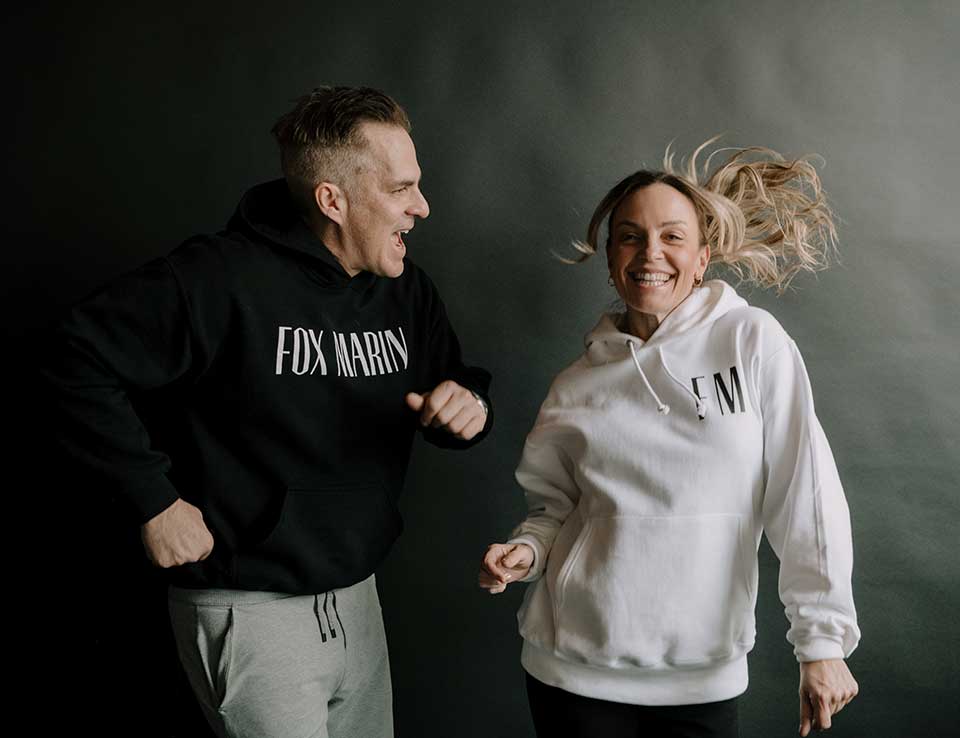
Ralph Fox, Broker of Record at Fox Marin, and Kori Marin, Co-founder of Fox Marin, reviewed both platforms on the Fox Marin podcast with one rule: stick to the facts and review both candidates’ platforms from a real estate perspective where possible.
Watch the Full Episode
If reading isn’t your thing, press play. In this episode, Ralph Fox and Kori Marin share what they’ve learned from working with hundreds of Toronto buyers and sellers.
Key Takeaways
The average sale price in the City of Toronto was $1,034,320 in September 2026, down 5.1% from September 2025 and back above $1 million after August’s dip.
City of Toronto home sales totalled 1,937 in September 2026, down 6.1% year over year, while GTA sales fell 9%.
Semi-detached homes in the City of Toronto had 2.7 months of inventory in September 2026 and sold in an average of 20 days for about 4% over asking.
Toronto condo apartments had six months of inventory in September 2026, averaged $640,248 and sold for about 97% of asking.
Ralph Fox and Kori Marin expect October and November 2026 to stay flat, and say many Toronto sellers they are talking to are already planning for spring 2027.
Key Takeaways
Toronto’s municipal election is Monday, October 26, 2026, with polls open 10 a.m. to 8 p.m., and 222,550 people voted in advance, the highest advance turnout in at least five municipal elections.
Brad Bradford has proposed waiving Toronto’s municipal land transfer tax on the first $1.1 million of an eligible principal residence, saving about $18,000 on a $1.1 million home. In comparison, Olivia Chow has ruled out a buyer tax cut because the tax brings in about $850 million a year.
Toronto property taxes rose 9.5% in 2024, 6.9% in 2025, and 2.2% in 2026, about 20% total. Chow promises future increases near inflation while Bradford proposes a one-year freeze.
Only 156 new condo units started construction in Toronto in the first half of 2026, and both candidates promise to cut development charges by 40% to 60% to help encourage new development.
Ralph Fox says the tax break matters most to buyers under $1.1 million. He adds that neither platform fixes the condo supply shortage he expects to hit within three to four years.
Chow vs Bradford at a Glance
Issue
Olivia Chow
Brad Bradford
Property taxes
Increases near inflation
One-year freeze, then below inflation
Municipal land transfer tax
No change
Waived on the first $1.1 million of an eligible principal residence
Development charges
Cut 40% to 60%
Cut 40% to 60%
Rental housing
10,000 rentals start in 2027
No building target
Police hiring
About 360 recruits a year
1,000 new officers
Water bills
No change
Cut 25%
Could the Land Transfer Tax Break Save Toronto Buyers $18,000?
Yes, on an eligible purchase of $1.1 million or more, if Bradford wins and council passes it. On September 29, 2026, Bradford pledged to waive Toronto’s municipal land transfer tax on the first $1.1 million of an eligible principal residence. His campaign puts the savings at about $18,000 on a $1.1 million home and the cost to the city at roughly $300 million a year. Investors and landlords buying additional properties would not qualify, and the wealth tax on homes above $3 million would remain in place. Run your own number on the FM Land Transfer Tax Calculator.
Toronto buyers pay both the Ontario land transfer tax and the municipal one, at roughly the same rates. On the September 2026 City of Toronto average sale price of $1,034,320, reported by TRREB, a repeat buyer pays about $33,000 in combined land transfer tax before legal fees or moving costs. For the full list of what a purchase costs beyond the price, read The Real Cost of Buying a Home in Toronto.
“The double municipal and provincial land transfer tax is one of the biggest problems with affordability that I can point to with one finger.” – Ralph Fox, Broker of Record, Fox Marin
Fox’s argument is about the taxes stagnating turnover. An owner who wants to move up face $60,000 to $100,000++ in land transfer tax that disappears, so many existing homeowners choose to renovate or refinance instead of selling. In central Toronto, where almost no new freehold homes are being built, that keeps desirable houses off the market while the population grows and demand for homes in sought-after neighbourhoods continues to grow.
In contrast, Chow’s position is a flat no: the tax is forecast to bring in about $850 million in 2026, and cutting it would mean cutting services.
How Close Is The Toronto Mayoral Race?
Right now, it is a toss-up. Chow has been mayor since the 2023 by-election; Bradford has been a councillor since 2018. In September, Chow led by roughly 10 points. By mid-October, Nanos, Liaison Strategies and Mainstreet all had the gap in the low single digits.
Fox points to one reason for the shift: Chris Alexander, who had been polling around 7%, dropped out, and much of his support appears to have moved to Bradford. Turnout is the other factor. Chow won the 2023 by-election in a race few people were following, and the turnout was rather apathetic. This time, advance turnout reached 222,550, up 70% from 2023. While Chow has the incumbent advantage, Bradford has the momentum heading into election day.
What Happens to Property Taxes and the 2027 Budget Gap?
City of Toronto property taxes rose 9.5% in 2024, 6.9% in 2025 and 2.2% in 2026, a cumulative increase of about 200%. Marin puts that at roughly $700 more per year for the average homeowner than in 2023.
Chow promises to hold future increases close to inflation and says the increases helped close a $1.8 billion gap she inherited. Bradford commits to a one-year freeze followed by increases below inflation, and says an outside auditor would find the savings. Fox is not convinced either promise should decide anyone’s vote. “I think they’re both saying close to the same thing,” he says. “This is pretty cookie-cutter. I’m not going to raise your taxes very much, elect me, and then they go ahead and raise their taxes due to an ‘unforeseeable change in circumstances’.”
The bigger issue is 2027. Toronto spends about $19 billion a year; as of 2027, it is expected to be roughly $1 billion short each year as provincial top-ups end, with about $46.5 billion in unfunded repairs to pipes, roads, and transit over the next decade. Marin gives the example as if the city were a household.
“You could spend about $190,000 a year, and you come up $10,000 short every single year, but your parents have been helping you cover that. You, the homeowner, are on the hook for that. The municipality is going to be on the hook as of 2027.” – Kori Marin, Co-founder, Fox Marin
Why Has Toronto Condo Construction Nearly Stopped?
In the first half of 2026, only 156 new condo units started construction in Toronto. New condo sales are down about 95% from 2021, and no new condo projects were launched in early 2026.
Fox’s explanation starts with development charges, which he says have risen roughly 1,000% since 2005. “If you’re looking at $1,400 a square foot pre-construction, but the resale market is at $900 or $1,000, nobody’s going to even consider taking the risk of buying pre-construction,” Fox says. Both candidates promise to cut development charges by 40% to 60%. Fox says that only helps if the savings reach end buyers, and he is openly unsure where the city replaces the revenue. For why completions fall off after 2027, see When Will Toronto Real Estate Recover? The Case of 2028.
“Affordable housing doesn’t mean we’re going to build a bunch of great semi-detached freehold houses for you to purchase. Affordable housing generally means rental housing.” – Kori Marin, Co-founder, Fox Marin
The city’s target is 65,000 affordable rental homes by 2030; only about 4,200 are finished and occupied. Chow’s plan is for 10,000 rental starts in 2027. Bradford has no building target and leans on buyer tax breaks and clearing approvals. Fox frames the choice simply:
“It really comes down to whether you think government is the housing solution or whether it’s private enterprise. Should the government be getting in the way or getting out of the way?” – Ralph Fox, Broker of Record, Fox Marin
Crime, Flooding and Homelessness: The Issues Off the Ballot
Homicides fell from 81 to 39 year over year, by the figures Marin cites, yet both hosts say the city does not feel safer. Bradford wants 1,000 new police officers; Chow would hire as many recruits as the college can train, about 360 a year. Fox calls public safety his single biggest issues, and he points to some of the negative real estate effects he sees: homeowners near a newly opened injection site selling at a severe loss just go get out of the neighbourhood; he is also seeing a trend of people selling their homes and moving into condos because they feel safer.
The other issue is homelessness, which has doubled since 2021 to about 15,400 people, with the city spending $786 million a year on it. Chow would stay the course with no new money. Bradford wants mandatory addition treatment and faster removal of encampments near schools.
What This Means For You
If you’re a buyer: The $1.1 million line is the number to watch. If your purchase would be an eligible principal residence under that price and you are not under pressure to move, the result on October 26 could be worth up to $18,000 to you. Fox’s caution from Toronto Real Estate Market September 2026: Stuck in Neutral still applies: don’t try to time the market, and don’t overextend to chase a rebate. If this is your first purchase, Fox Marin’s First-Time Home Buyer Academy walks through the current rebates and closing costs.
If you’re a seller: A land transfer tax cut would likely bring some sideline buyers back under $1.1 million, which is good news for semi-detached and townhouse sellers in that range. “I think this land transfer tax break would be humongous,” Marin says.
“I think it would help both buyers and sellers alike.” – Kori Marin, Co-founder, Fox Marin
Compare prices against the last 60 days of sales either way, and see how your segment is moving on Fox Marin’s Market Intel.
If you’re watching from the sidelines: Two dates matter more than the pools: the election on October 26 and the Bank of Canada rate decision on October 28. Any tax change still has to pass council, so plan around today’s rules and treat a rebate as upside.
If you’re an investor: Bradford’s proposal excludes investors, so it does not change your math.
Frequently Asked Questions
Toronto’s municipal election is Monday, October 26, 2026, and polls are open from 10 a.m. to 8 p.m. Advance voting ran October 6 to 11 and drew 222,550 votes, the highest advance turnout in at least five Toronto elections. The new council takes office in mid-November 2026.
Brad Bradford has pledged to waive Toronto’s municipal land transfer tax on the first $1.1 million of an eligible principal residence. His campaign estimates the savings at about $18,000 on a $1.1 million home and the cost to the city at roughly $300 million a year. Investors buying additional properties would not quality, and it would still need council approval.
Yes. Toronto is the only municipality in Ontario that charges its own land transfer tax on top of the provincial Ontario land transfer tax, at roughly the same rates. On a $1 million home, a repeat buyer pays about $16,475 to the province and about $16,475 to the city, before the small administration fee and legal costs.
City of Toronto property taxes rose 9.5% in 2024, 6.9% in 2025 and 2.2% in 2026, a cumulative increase of about 20%. Kori Marin of Fox Marin estimates the average homeowner now pays roughly $700 more per year than in 2023. Both leading mayoral candidates promise smaller increases ahead in line with inflation, with Bradford also proposing a one-year freeze.
Affordable housing in Toronto generally means subsidized rental housing, usually built on city land or in private buildings under a city agreement. New condos are market-rate homes sold to buyers. The two pipelines are separate: the city has about 4,200 affordable rental homes occupied against a 65,000 target, while only 156 new condo units started in the first half of 2026.
If you are buying an eligible principal residence under $1.1 million and have no pressure to move, the October 26, 2026 result could be worth up to $18,000 to you. Any tax change still has to pass council, so plan around today’s rules and treat a rebate as a bonus, not the reason to buy.
The Fox Marin Perspective
Both Fox and Marin agree: the platforms differ sharply on land transfer tax, but their positions are somewhat similar on property and development taxes. Bradford’s land transfer tax proposal is the one measure that could move buyers under $1.1 million, and Marin expects it would help sellers in that range just as much. On the issue Fox considers most urgent, the condo pipeline, neither candidate is able to offer a potential solution.
Fox’s parting view is that you cannot tax your way into affordability, and Kori Marin reminds us that whatever happens on October 26, the hard part starts in 2027, when the provincial money stops. They ask: do your research and vote. Last election, only 37% of eligible Torontonians showed up.
If you want to talk through what either outcome means for the home you own or the one you are hoping to by, Contact Us (We’re Nice)!
Stay Curious. Stay Informed.
The Toronto real estate market is always evolving. Whether you’re buying, selling, investing, or simply keeping an eye on what’s happening in the city, we’re here to help you make sense of it.
Explore more of our insights, market commentary, and conversations about Toronto real estate.
Good real estate decisions start with good conversations. Whether you’re preparing for your next move or just exploring your options, we’d love to hear from you. Contact Us (We’re Nice).
Fox Marin is recognized as one of Toronto’s most trusted real estate teams, with 550+ five-star Google reviews, more than 1,000 successful transactions, and over $700 million in sales volume. (*Source: RE Stats Inc. / Loft47, Jan. 1, 2018 – Aug. 31, 2026)
—
This article was written by Ralph Fox, Broker of Record and Managing Partner here at Fox Marin Associates. Ralph is a Torontonian native who recognized from an early age that the most successful people in life apply long-term thinking to their investments, relationships, and life goals. It’s this philosophy, along with his lifelong entrepreneurial drive and exceptional business instincts, that help to establish Ralph as a top agent in the real estate market in downtown Toronto.
Ralph Fox & Kori Marin
Kori and Ralph's love affair with Toronto Real Estate have spanned several decades! It is incredible to see how far their mad crazy passion for design, architecture and innovation has taken them, which is only the beginning of their bigger vision and relentless goal-setting! Kori and Ralph have created this forum for their readers to explore the good, the bad, and the sometimes ugly real estate. An honest perspective about the ins & outs of the business - one in which they live, work and experience first hand every day. Nothing is more interesting than the "real" in real estate!