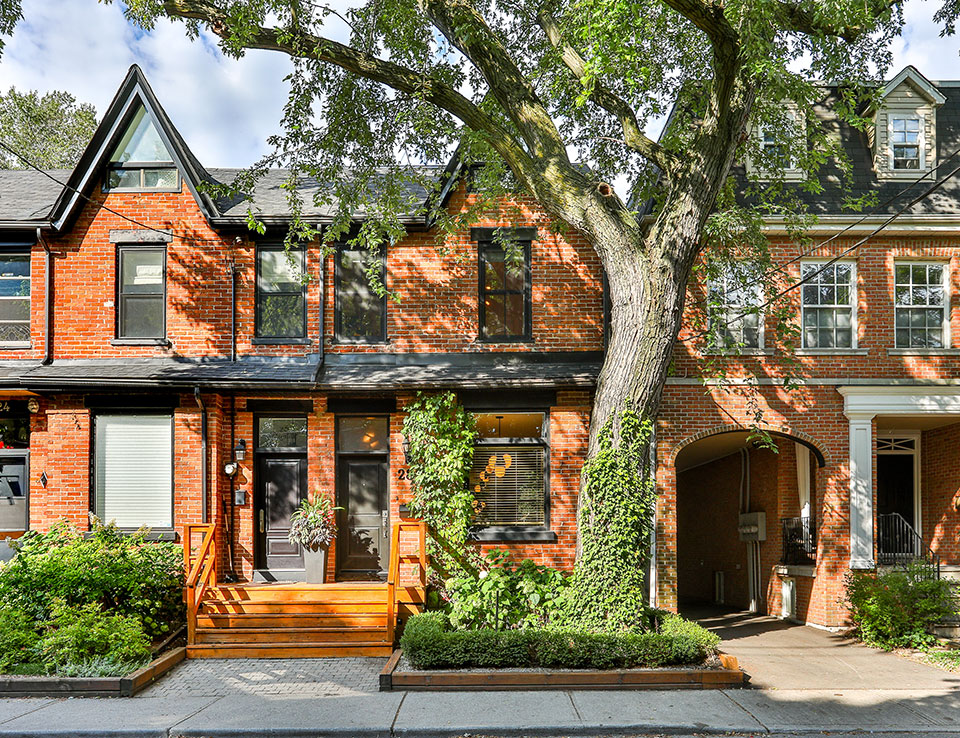
Moving to Toronto: What You Need to Know Before You Arrive
Moving to Toronto can be one of the most exciting decisions you’ll ever make.
It can also be one of the most overwhelming.
Every year, thousands of people move to Toronto from elsewhere in Canada, the United States, and around the world. Some arrive for career opportunities. Others are drawn by education, lifestyle, family, safety, or the chance to experience one of North America’s most dynamic cities.
But before choosing a neighbourhood, signing a lease, or purchasing property, there is one question every relocator should answer:
What is Toronto actually like?
This guide is designed to answer that question.
As the first module in the Fox Marin Relocation Academy, it serves as an introduction to the city itself. Future modules explore neighbourhood selection, cost of living, renting, buying, taxes, schools, and lifestyle considerations in much greater detail.
Whether you’re moving from Vancouver, Calgary, Ottawa, New York, London, or somewhere much farther away, understanding Toronto before you arrive can dramatically improve your relocation experience.
Watch the Full Episode
In this inaugural episode of the Fox Marin Relocation Academy, Ralph Fox is joined by Jerome Werniuk and Reuben Labovitz to discuss what makes Toronto unique, common mistakes, and the realities of moving to Canada’s largest city.
Toronto’s Greatest Strength Is Its Diversity
If there is one characteristic that consistently stands out to newcomers, it is Toronto’s diversity.
“Approximately half of Toronto’s population was born outside Canada,” says Jerome Werniuk. “You can walk through virtually any neighbourhood and find food, cultural events, and communities representing people from all over the world.”
That diversity influences almost every aspect of life in Toronto.
The restaurants. The neighbourhoods. The schools. The businesses. The arts and culture scene.
For many newcomers, it also creates an immediate sense of belonging.
“One of the things people tell us repeatedly is how welcomed they feel here,” says Reuben Labovitz. “They quickly find people who share their background, culture, or interests. Toronto has an incredible ability to make people feel like they belong.”
Toronto allows people to arrive from almost anywhere in the world and quickly find a community that feels like home.
Fox Marin Perspective
Many cities describe themselves as multicultural.
Its diversity isn’t confined to a handful of neighbourhoods. It is woven throughout the entire city and influences everything from business and education to food, culture, and community life.
For many people relocating to Toronto, that sense of belonging becomes one of the city’s most attractive qualities.
Quick Answer: Is Toronto A Good Place To Live?
Yes.
Toronto consistently ranks among North America’s most desirable cities due to its economic opportunities, diversity, educational institutions, healthcare access, safety, and quality of life. While the cost of living is high, many residents believe the opportunities and lifestyle advantages outweigh the additional expense.
Toronto’s Economy Creates Opportunity
People often relocate to Toronto because of employment opportunities.
They stay because of the lifestyle.
Unlike many North American cities that rely heavily on a single industry, Toronto benefits from a broad mix of sectors including finance, technology, healthcare, education, professional services, media, and the creative industries.
“We’re having more conversations than ever with professors, researchers, technology professionals, and people from highly specialized industries,” says Reuben Labovitz. “Toronto continues to attract talent because there are opportunities across so many different sectors.”
This diversity creates resilience.
It also creates opportunities.
Ralph Fox sees this trend every day through conversations with clients considering a move to the city.
“Toronto isn’t a one-trick pony,” says Fox. “From banking and finance to technology, education, healthcare, and the creative industries, the city offers opportunities across almost every sector.”
Toronto isn’t a one-industry city. Its diversity extends far beyond culture and into the economy itself.
Toronto Isn’t One City. It’s Dozens Of Neighbourhoods.
One of the biggest misconceptions newcomers have is that Toronto functions as one cohesive urban experience.
It doesn’t.
“The best places to live aren’t necessarily right downtown,” says Jerome Werniuk. “When you move into neighbourhoods like Corktown, Cabbagetown, Riverdale, or Trinity Bellwoods, you discover communities that feel residential, walkable, and connected while still being close to downtown.”
Ralph Fox agrees.
“The goal isn’t simply to move to Toronto,” he says. “The goal is to find the version of Toronto that feels like home.”
Many people living in Toronto’s central neighbourhoods rely on walking, cycling, public transit, and ride-sharing. Depending on where you live and work, a vehicle may be unnecessary. However, some suburban and commuter-oriented lifestyles may still benefit from car ownership.
What Surprises Most Newcomers?
According to Ralph Fox, one of the biggest surprise is its scale.
“The sheer geographic size of the GTA catches many newcomers off guard,” he says.
Toronto is large.
The Greater Toronto Area is enormous.
Travel times, commuting patterns, and neighbourhood selection often becomes much more important than newcomers initially realize.
Another surprise?
Cost.
“People often expect Toronto to be significantly less expensive than cities like New York or San Francisco,” says Ralph Fox. “The reality is that the gap is often much smaller than they anticipated.”
And perhaps the most pleasant surprise of all is how green the city feels.
“When you get above the city and look down, it’s remarkable how green Toronto actually is,” says Fox.
For many people arriving from abroad, Toronto’s relationship with nature is unexpected.
The city contains one of North America’s largest urban ravine systems, hundreds of parks, extensive waterfront trails, and mature tree canopies that stretch across many residential neighbourhoods.
It is one of the reasons Toronto often feels more livable than cities of a similar size.
Many newcomers underestimate Toronto’s size. The city itself is large. The lifestyle choices are even wider.
Quick Answer: Is Toronto More Expensive Than Vancouver?
Toronto and Vancouver are Canada’s two most expensive housing markets.
While detached housing is often more expensive in Vancouver, Toronto offers greater employment diversity, a larger condominium market, and a broader range of neighbourhood options. The better choice ultimately depends on lifestyle and housing preferences.
Understanding How Toronto Is Structured
Understanding the physical structure of Toronto is essential for newcomers.
DOWNTOWN TORONTO
Downtown is home to:
Financial District
Entertainment District
Waterfront
St. Lawrence Market
King West
This area offers walkability, transit access, employment opportunities, sports, entertainment, and a highly urban lifestyle.
MIDTOWN TORONTO
Neighbourhoods such as Davisville, Summerhill, Deer Park, and Yonge & Eglinton offer a balance between city living and residential comfort.
TORONTO’S WEST END
The west side includes:
High Park
Roncesvalles
Trinity Bellwoods
Little Italy
The Junction
Bloor West Village
Many of Toronto’s most community-oriented neighbourhoods are located in the west end.
TORONTO’S EAST END
The east side includes:
Riverdale
Leslieville
Playter Estates
The Beaches
Corktown
Cabbagetown
These neighbourhoods have experienced significant growth and remain popular with families and professionals.
“My favourite part about Toronto is that so many neighbourhoods feel self-contained,” says Reuben Labovitz. “You can find everything you need within a short walk while still being connected to the rest of the city.”
Fox Marin Perspective
Many newcomers focus exclusively on downtown Toronto.
The reality is that some of Toronto’s most desirable neighbourhoods sit just outside the core.
The best relocation decisions often happen when people expand their search beyond what they initially thought they wanted.
Common Relocation Mistakes
Every year, Fox Marin helps clients relocate to Toronto.
Certain mistakes made by many relocators recur.
UNDERSTANDING WINTER
“The temperature is one thing,” says Jerome Werniuk. “The shorter days and the duration of winter are often what people struggle with most.”
For those relocating from warmer climates, understanding winter before arriving can make the transition significantly easier.
BUYING TOO QUICKLY
“For many relocators, renting for a period of time can provide tremendous clarity,” says Reuben Labovitz. “It allows people to understand neighbourhoods, commuting patterns, and lifestyle preferences before making a major purchase decision.”
This doesn’t mean renting is always the right answer.
“We see people surprised by the amount of regulation surrounding real estate ownership,” says Ralph Fox. “It’s important to understand the rules before making any major decisions.”
Foreign buyer restrictions, vacancy taxes, financing requirements, and closing costs can all impact decision-making.
These factors often have a greater impact on long-term happiness than an extra bedroom or a larger backyard.
The most successful relocations begin with lifestyle decisions, and real estate decisions tend to follow.
Fox Marin Perspective
One thing we consistently see is that people overestimate how much space they need and underestimate how important lifestyle is.
Six months after moving, clients rarely talk about square footage.
They talk about:
Their favourite coffee shop Their local park Their commute Their neighbours Their favourite restaurant
The neighbourhood experience often matters far more than people initially expect.
Quick Answer: Should I Rent Before Buying?
For many relocators, yes.
Renting initially allows newcomers to learn the city, understand neighbourhoods, experience commuting patterns, and make a more informed purchase decision. While every situation is unique, many successful relocators spend six to twelve months learning the city before purchasing.
What We’re Seeing Right Now
At Fox Marin, we’re currently seeing increased demand from:
Returning Canadians
American professionals
Technology workers
University faculty
Corporate transferees
Families relocating from other Canadian cities
One trend stands out above all others.
People are becoming increasingly intentional about where they live.
The conversation has shifted.
Five years ago, many buyers focused primarily on maximizing space.
Today, walkability, transit access, neighbourhood character, schools, and quality of life are increasingly driving decision-making.
“The happiest clients aren’t necessarily buying the largest home,” says Ralph Fox. “They’re finding neighbourhoods that align with how they want to live.”
Frequently Asked Questions
Toronto is generally considered one of the safest major cities in North America.
Career opportunities, education, family, immigration, and lifestyle are the most common reasons.
Yes. Toronto is one of Canada’s most expensive cities, particularly when it comes to housing.
This varies significantly depending on housing choices and lifestyle.
Both are among Canada’s most expensive cities.
Cold, snowy, and often longer than newcomers expect.
Yes. It is one of the most multicultural cities in the world.
The answer depends entirely on your lifestyle, commute, family needs, and budget.
Many newcomers benefit from renting first.
Six to twelve months is common.
Yes, although immigration requirements apply.
Restrictions may apply depending on residency status.
Toronto remains one of Canada’s most competitive rental markets.
Toronto offers strong public, Catholic, and private school options.
Toronto buyers pay both provincial and municipal land transfer taxes.
Eligible residents receive publicly funded healthcare through OHIP.
Commute times vary significantly depending on location and mode of transportation.
Yes. Many neighbourhoods are exceptionally family-oriented.
King West, Liberty Village, Queen West, Leslieville, and Midtown are popular choices.
Research neighbourhoods, understand your budget, and build a trusted advisory team.
The neighbourhood you choose, the lifestyle you build, and the decisions you make during the relocation process can dramatically shape your experience.
The good news is that you don’t need to figure it out alone.
Whether you’re moving from another Canadian city, returning from abroad, or arriving in Toronto for the first time, having the right guidance can make the process significantly easier.
At Fox Marin, we’ve helped hundreds of individuals, couples, and families navigate that transition.
Our goal isn’t simply to help people buy or rent real estate.
It’s to help them find the version of Toronto that feels like home.
As Ralph Fox puts it:
“The goal isn’t simply to move to Toronto. The goal is to find the version of Toronto that feels like home and is aligned with your vision of your future self.”
Looking for more Toronto real estate insights, leasing advice, and market updates from the Fox Marin team? Explore the latest blogs and podcasts episodes for in-depth analysis, neighbourhood insights, and conversations about where the market is headed next:
Fox Marin is recognized as one of Toronto’s most trusted real estate teams, with 550+ five-star Google reviews, more than 1,000 successful transactions, and over $700 million in sales volume. (*Source: RE Stats Inc. / Loft47, Jan. 1, 2018 – Aug. 31, 2026)
—
This article was written by Ralph Fox, Broker of Record and Managing Partner here at Fox Marin Associates. Ralph is a Torontonian native who recognized from an early age that the most successful people in life apply long-term thinking to their investments, relationships, and life goals. It’s this philosophy, along with his lifelong entrepreneurial drive and exceptional business instincts, that help to establish Ralph as a top agent in the real estate market in downtown Toronto.
Ralph Fox & Kori Marin
Kori and Ralph's love affair with Toronto Real Estate have spanned several decades! It is incredible to see how far their mad crazy passion for design, architecture and innovation has taken them, which is only the beginning of their bigger vision and relentless goal-setting! Kori and Ralph have created this forum for their readers to explore the good, the bad, and the sometimes ugly real estate. An honest perspective about the ins & outs of the business - one in which they live, work and experience first hand every day. Nothing is more interesting than the "real" in real estate!